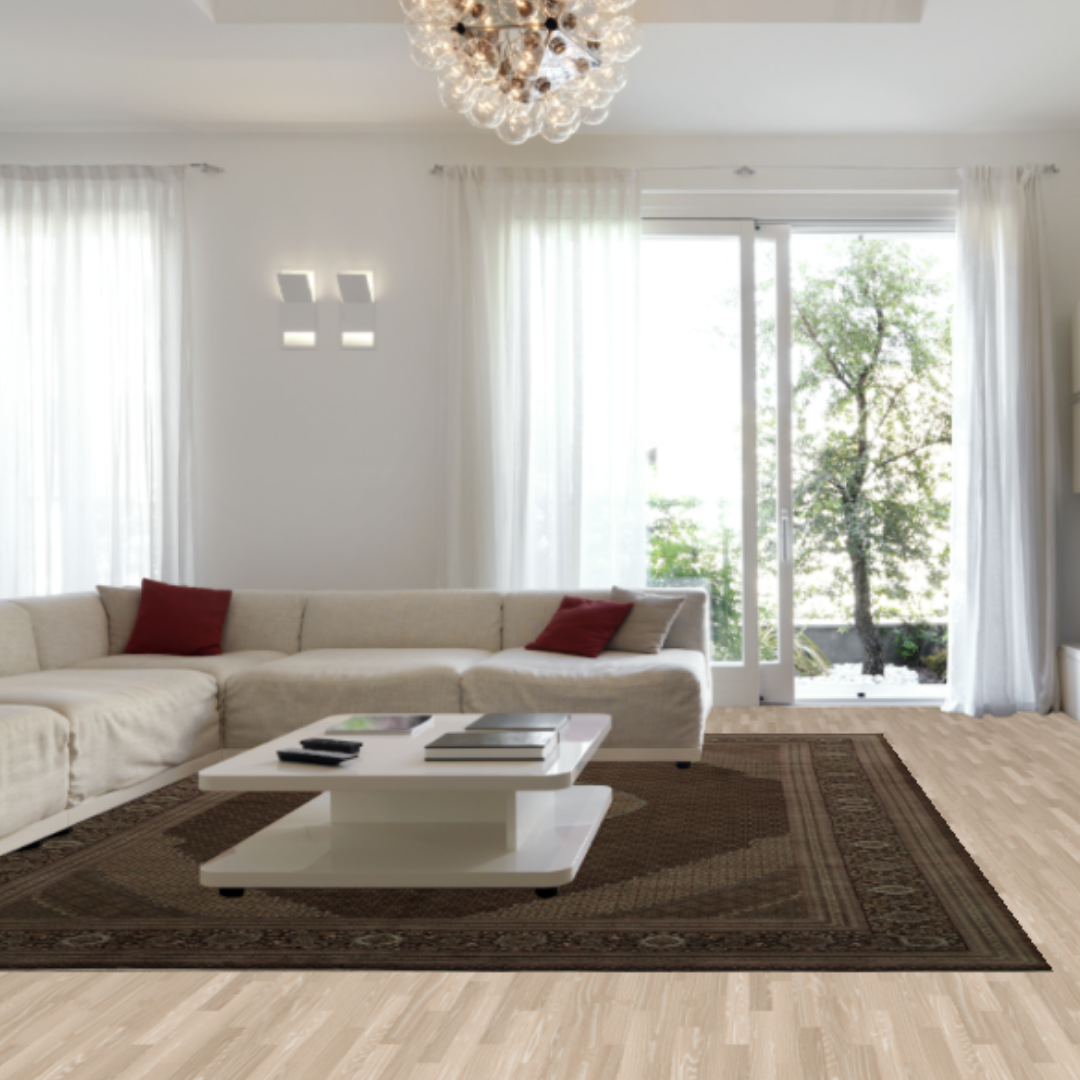
Why a Large Comfy Rug is the Foundation of Every Great Room
A large comfy rug is more than just a floor covering; it’s the cornerstone that transforms a house into a warm, inviting home. It anchors furniture, defines spaces in open floor plans, softens acoustics, and creates a cozy spot for family gatherings. The right rug truly makes all the difference visually and underfoot. Beyond its functional benefits, a plush rug provides a crucial tactile experience that contributes to a home’s overall sense of well-being. In an increasingly digital world, the simple act of feeling a soft, warm texture underfoot can ground us, reduce stress, and help create a personal sanctuary.

When customers ask us where to start, we often say: start big and start comfy. In homes from Charlotte, NC to the rest of North Carolina and across the United States larger rugs consistently deliver the most polished, comfortable results. They simplify room layouts, make spaces feel cohesive, and invite you to kick off your shoes the moment you walk in. This immediate invitation to relax is the essence of what makes a house feel like a home.
Quick Shopping Guide for Large Comfy Rugs:
- Best Sizes: 8×10 rugs (most popular), 9×12 rugs (larger rooms), 10×13+ rugs (spacious areas)
- Comfort Materials: Wool (natural softness), shaggy/high‑pile synthetics (plush feel), chenille (velvety texture)
- Key Features: Medium to high pile height, quality rug pad, stain‑resistant options
- Price Range: $300–$600 for quality 8×10 rugs, varies by material and construction
- Where to Place: Front furniture legs on the rug (minimum) or all furniture on the rug (ideal)
Research shows that large rugs can make rooms feel bigger by creating visual unity. As one interior design expert noted, “A large rug can make a room look bigger by creating a sense of proportion and pulling the eye outward towards the edges of the rug.” This principle applies whether you’re in a compact condo in Charlotte or a spacious suburban home elsewhere in North Carolina.
What makes a rug truly “comfy”? It’s the perfect combination of pile height (fiber height), material quality, and density. High‑pile wool offers a sink‑your‑toes‑in feeling, while plush synthetics provide stain resistance with incredible softness. And don’t forget the unsung hero: a high‑quality rug pad dramatically improves cushioning and keeps your rug safely in place.
I’m Mina Daryoushfar, owner of Rug Source in Charlotte, NC. With over two decades of experience, I’ve seen how the right large comfy rug transforms not just a room’s look, but how it feels to live in that space. Rug Source serves customers throughout North Carolina and across the United States, pairing a vast selection with expert guidance so you can shop with confidence.
The Anatomy of a “Large Comfy Rug”: What to Look For
When customers visit our Charlotte, NC showroom, they often ask what makes a rug both “large” and “comfy.” A “large” rug makes a statement, typically starting at 8×10 rugs and going up to 9×12 rugs and beyond. These substantial pieces anchor furniture and define living areas in open‑concept homes throughout North Carolina and across the United States.
But size without comfort is just a floor covering. The “comfy” part is a recipe of three key ingredients: material, pile height, and density. Understanding these elements is the secret to finding a rug that becomes the heart of your room.
Decoding Pile Height for Maximum Coziness
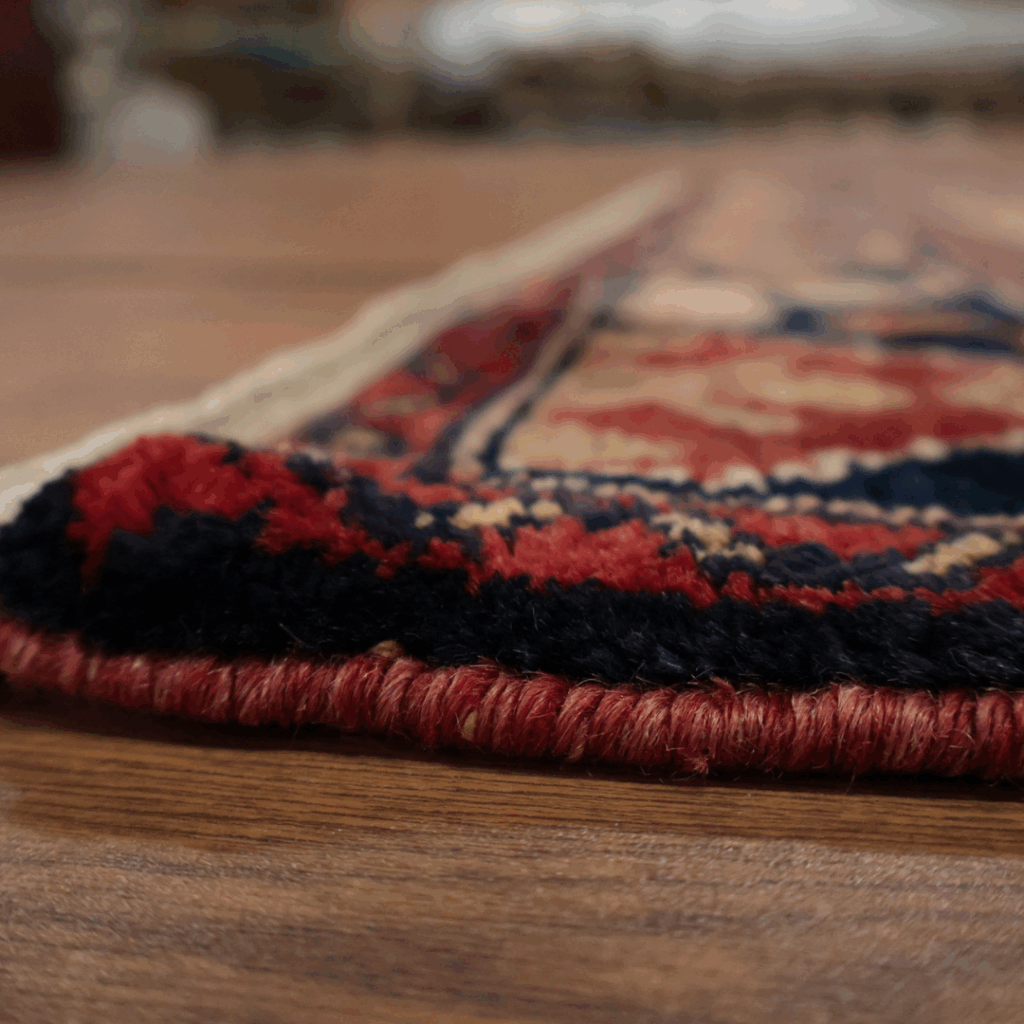
Pile height the length of the rug’s fibers is the biggest factor in how plush it feels.
- Low Pile (under 1/4 inch): Practical and easy to vacuum, great for entryways and dining areas, but won’t deliver that deep, soft feel.
- Medium Pile (1/4 to 1/2 inch): The sweet spot for many families, balancing comfort and practicality for busy living rooms.
- High Pile (over 1/2 inch): For pure luxury, shaggy rugs offer an irresistible “sink‑your‑toes‑in” sensation with excellent insulation and sound absorption.
Density matters too. A rug’s density refers to how tightly its fibers are packed together. A denser rug has more fibers per square inch, which not only feels more substantial and supportive underfoot but also improves its durability and resilience to crushing. Try the pinch test: if you can easily see the backing when pinching the pile, the rug may be loosely tufted. A denser rug shows less backing, provides better long‑term resilience against foot traffic, and contributes significantly to the overall feeling of quality and comfort.
The Best Materials for a Soft Underfoot Feel
If pile height is texture, material is the soul of your rug’s comfort.
- Wool: Wool rugs are my top recommendation for natural comfort soft, resilient, temperature‑regulating, with natural lanolin providing inherent stain resistance.
- Synthetics: Modern polyester and polypropylene deliver incredible softness while being stain‑resistant and budget‑friendly fantastic for families with kids or pets.
- Chenille: Offers a velvety, sumptuous texture that’s incredibly soft to the touch.
- Cotton: Soft and breathable, but typically less plush than wool or high‑pile synthetics.
The Unsung Hero: Why a Quality Rug Pad is Non‑Negotiable
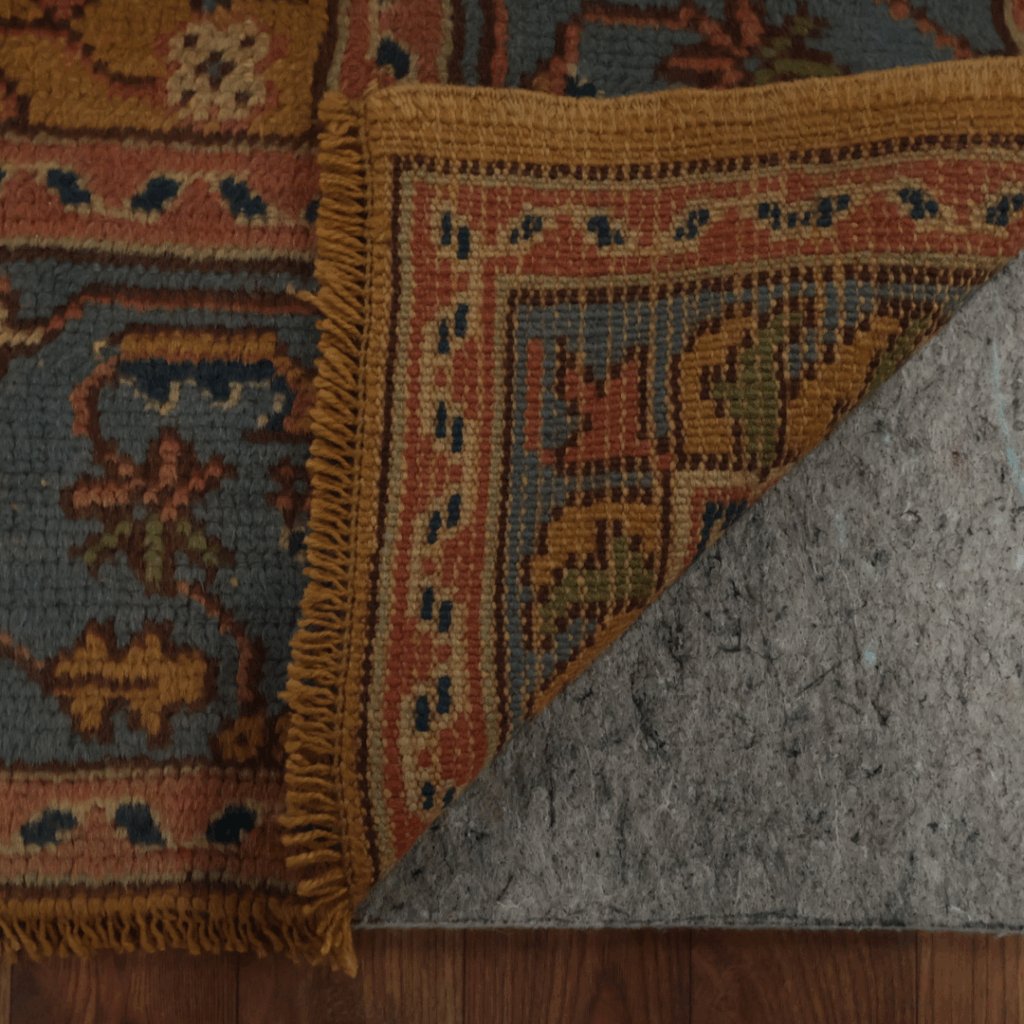
A quality rug pad transforms a good rug into a great one by adding significant cushioning. Beyond comfort, it improves safety by preventing slips (the National Floor Safety Institute advocates for slip‑resistant products), protects floors from scratches, and extends rug life by absorbing impact. It’s a small investment that delivers enormous returns in comfort and safety for your large comfy rug.
Sizing It Up: How Large Rugs Transform Your Space

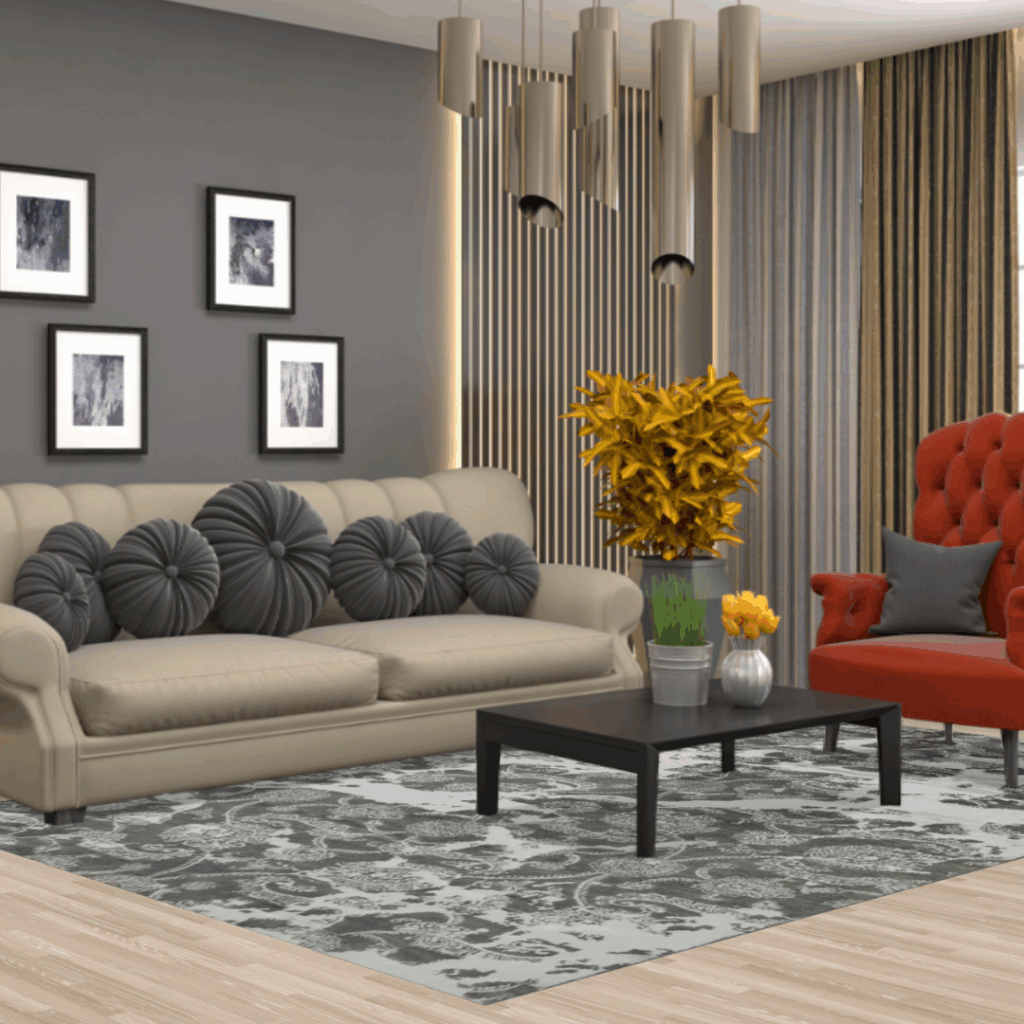
Introducing a large comfy rug does more than cover the floor it creates an entirely new dynamic. Placing a living room rug under your seating area creates a “conversation island,” making the arrangement feel connected. In open‑concept layouts common in Charlotte, NC homes, large rugs create distinct zones without walls.
According to the Carpet and Rug Institute, rugs can reduce ambient noise and improve room acoustics, softening harsh echoes in rooms with hard flooring.
Standard Large Rug Sizes and Their Best Use Cases
- 8×10 rugs: The most popular size, perfect for standard living rooms with front furniture legs on the rug.
- 9×12 rugs: Ideal for generous rooms, allowing all furniture on the rug for a cohesive look.
- 10×13 rugs and larger: For spacious rooms, creating a grand, unified statement.
Before buying, measure your room and furniture. For detailed guidance, see The Spruce’s area rug size and placement guide. Tip: outline your proposed rug size with painter’s tape to visualize fit.
Room-by-Room Sizing Tips
- Living room: 6–10 inches of rug visible beyond sofa edges
- Dining room: Rug extends 24–30 inches beyond the table
- Bedroom: 18–36 inches beyond bed sides and foot
- Hallways: 3–6 inches of floor exposed along runner sides
The Big Question: Do Large Rugs Make a Room Look Bigger?
Many customers worry that a large rug will make their room feel smaller. The opposite is true. A properly sized large rug makes rooms feel larger by creating an uninterrupted field of color and texture. Small rugs chop up the floor, making rooms feel disjointed. We almost always recommend going larger than your first instinct the visual impact is consistently dramatic across homes in North Carolina and the United States.
Style & Substance: Choosing the Perfect Design
When investing in a large comfy rug, you’re choosing the primary visual element of your room. The style, pattern, and color are crucial. The goal is to find the sweet spot between pure comfort and a design that reflects your personality and complements your home’s aesthetic especially important with open floor plans common across North Carolina.
Popular Styles for Your Large Comfy Rug
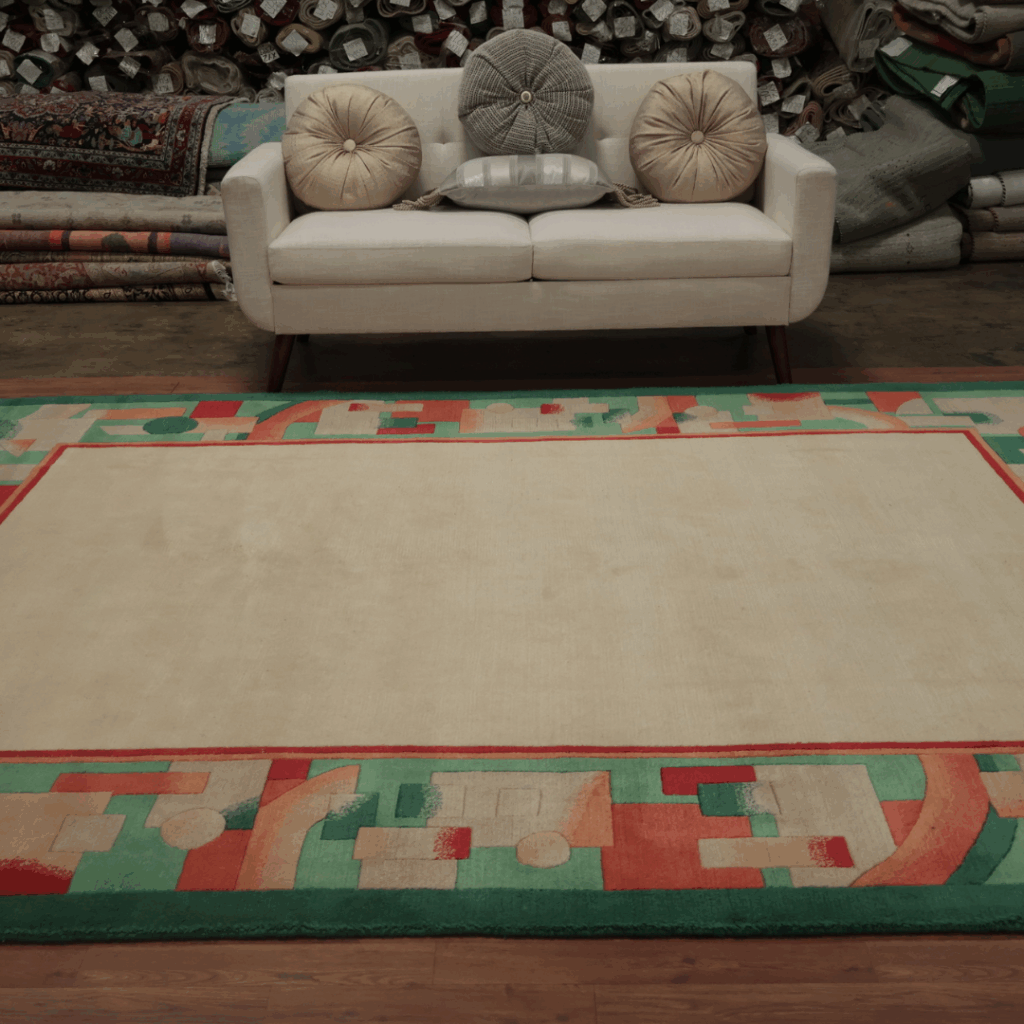
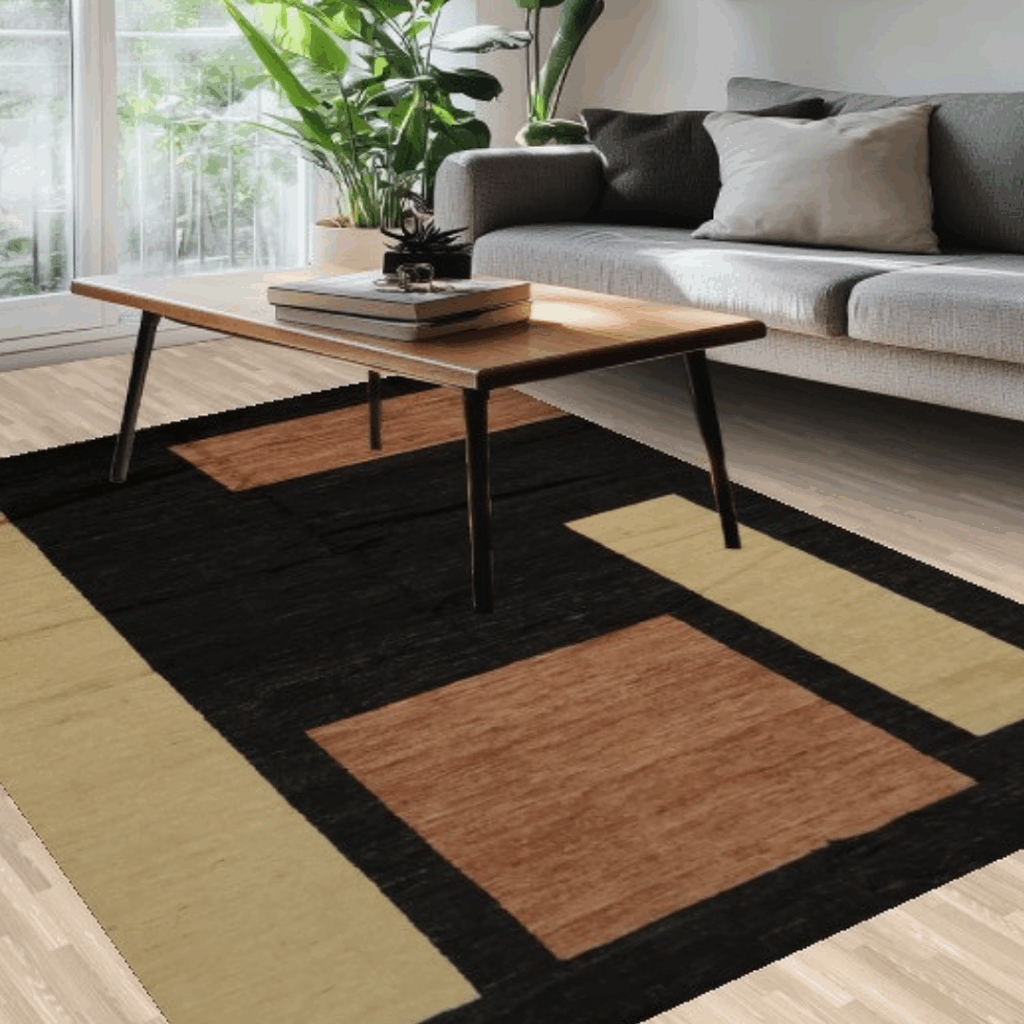
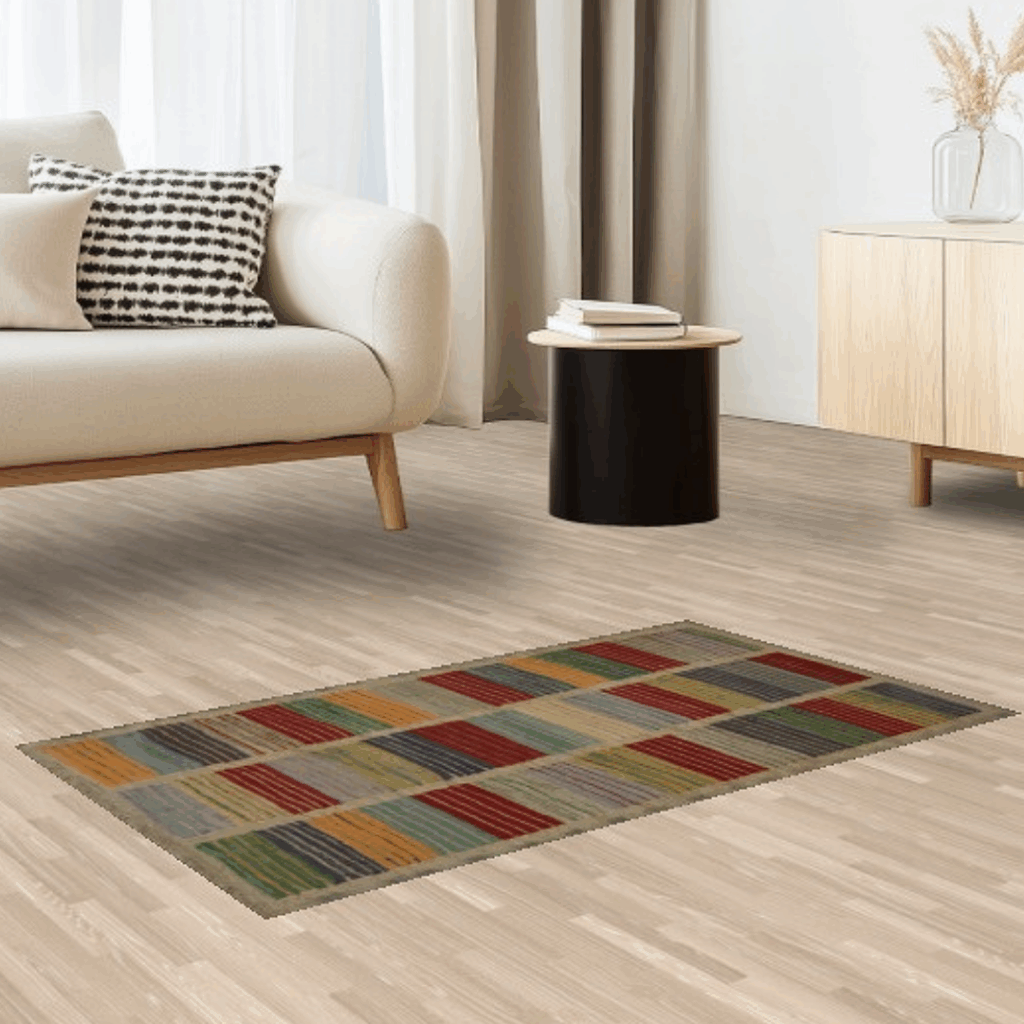
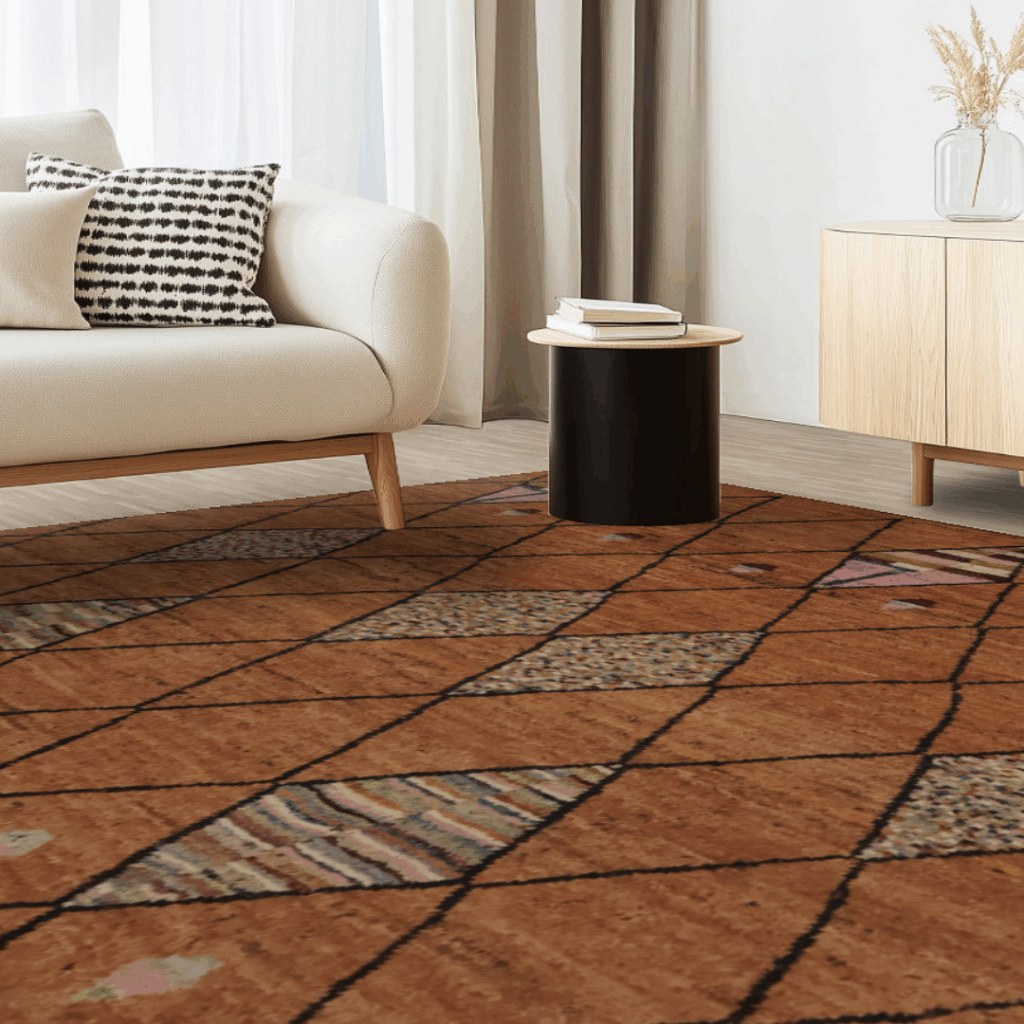
- Modern Contemporary Rugs: Known for clean lines and artistic touches, these rugs often feature abstract or geometric patterns. Palettes can range from warm neutrals to bold statements, and many are constructed with plush textures that boost comfort.
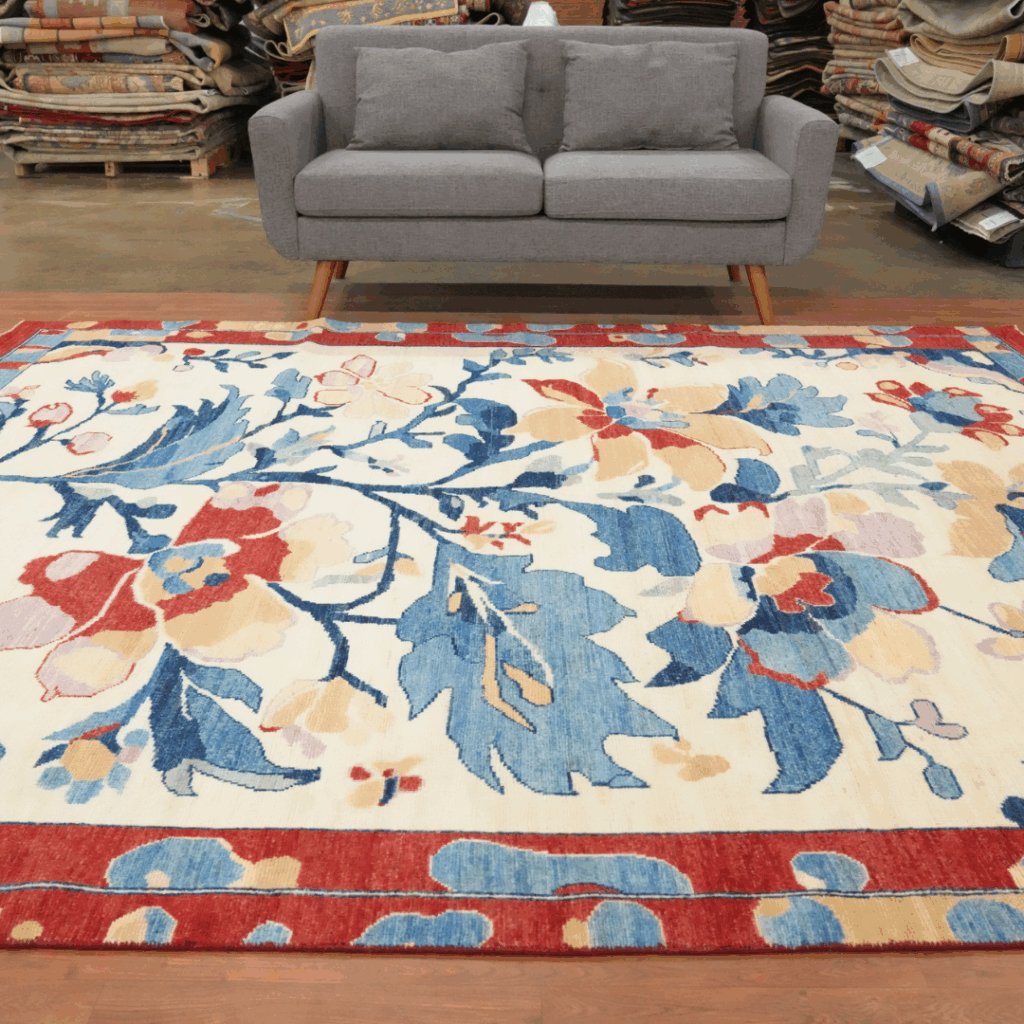
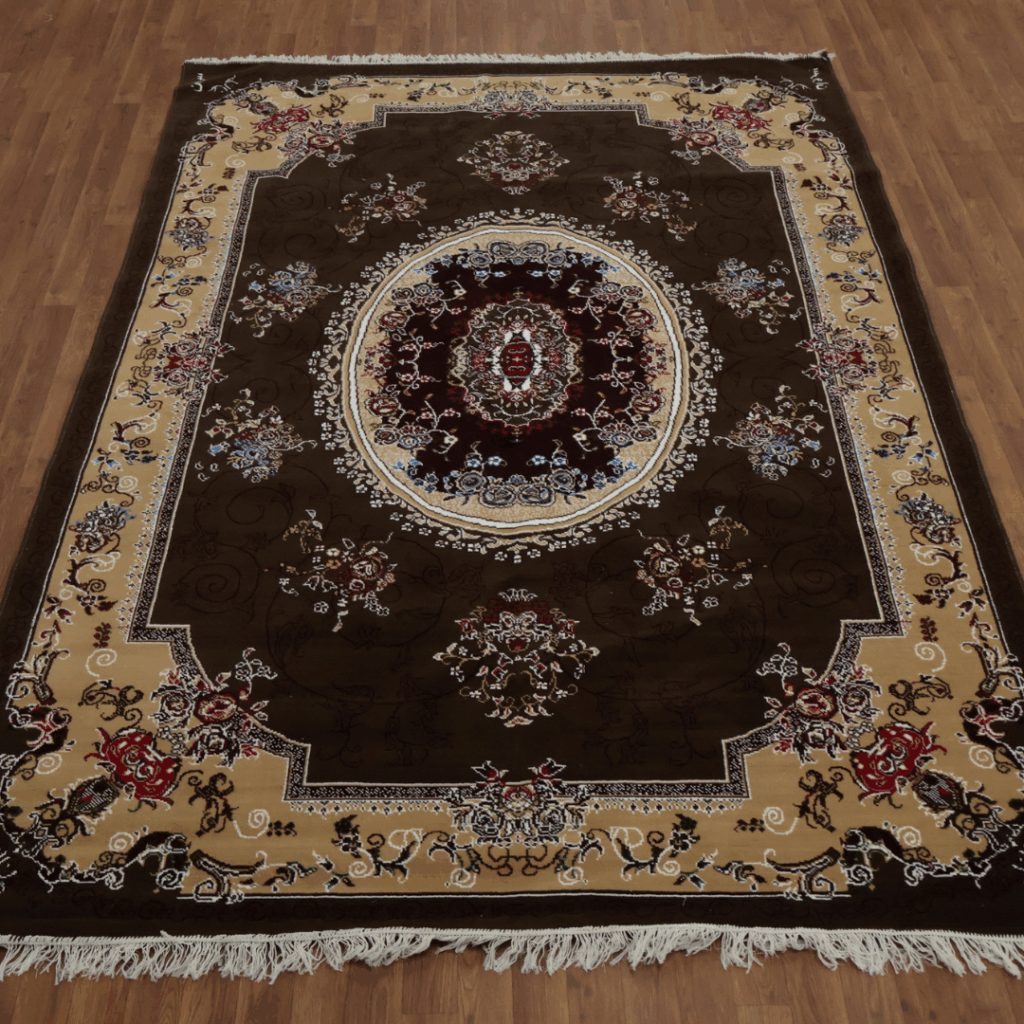
- Traditional Rugs: For timeless elegance, nothing beats the intricate patterns and rich colors of Persian rugs and Oriental rugs. Many are hand‑knotted from wool, creating a soft, dense pile that improves with age.
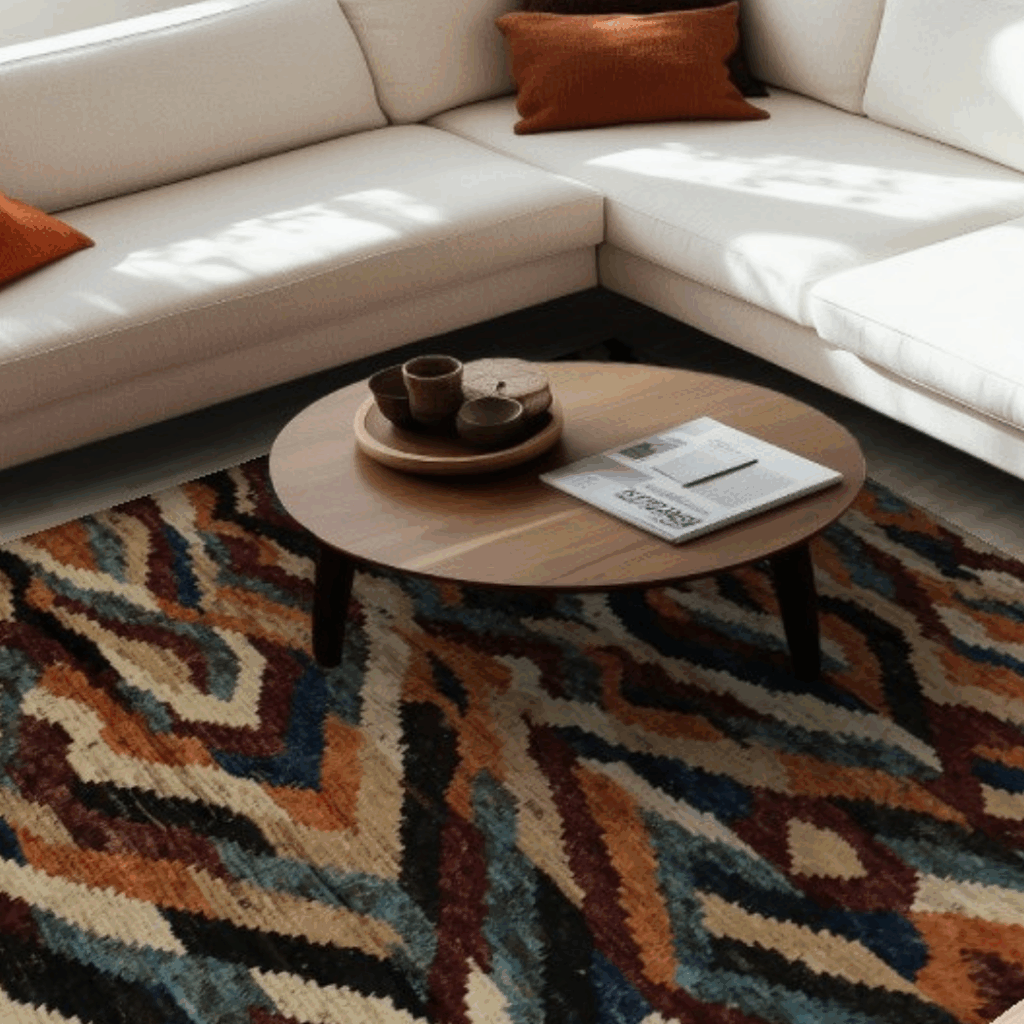
- Bohemian: Perfect for a relaxed, eclectic feel, these designs embrace plush textures like shaggy rugs with tribal‑inspired patterns and earthy colors. They are inherently comforting and inviting.
- Farmhouse: This style emphasizes cozy simplicity with natural fibers and soothing neutral tones. Gentle patterns like stripes or subtle geometrics create warmth without overwhelming a space. Explore jute & sisal looks for texture.
- Scandinavian (Scandi): Embracing “hygge,” this style focuses on minimalism, functionality, and warmth. Look for plush wool or cotton rugs in light, neutral palettes like white, gray, and soft pastels. Simple geometric patterns or solid textures add interest without clutter.
Patterns and Colors that Complement Your Home
Your pattern and color choices determine how your rug interacts with the rest of your decor.
- Patterns: Solid colors are powerful tools for unifying a room with busy decor, creating a calm foundation. Geometric and abstract patterns add energy and a modern feel. Medallion and floral patterns deliver classic elegance and a built‑in focal point.
- Colors: Neutrals like gray, beige, and cream are versatile and calming, providing flexibility as your decor evolves. Don’t overlook bolder choices: a deep blue can bring serenity, while a rich red adds warmth and drama. In rooms with classic North Carolina hardwood floors, warm‑toned rugs can echo the wood’s finish, while cool‑toned rugs create contemporary contrast.
Design Tips from Our Charlotte Showroom
- Pattern scale matters. Large‑scale patterns can make small rooms feel bigger, while small, intricate motifs can add refinement to larger rooms.
- Consider light and shadow. High‑pile and cut‑pile rugs can “shade,” creating a luminous, velvety look when vacuumed in one direction.
- Think beyond matching. Choose a rug that harmonizes with wall color, upholstery, and wood tones but don’t be afraid to let the rug be the star of the room.
- Layering rugs works. Place a plush, comfy rug over a flatweave base to add depth and softness without overwhelming patterns. A common technique is to use a large, neutral jute or sisal rug as a base and layer a smaller, more colorful, and plusher rug on top to define a specific area, like the seating arrangement.
Our Top Picks for Large Comfy Rugs
After two decades helping families in Charlotte, NC, find their perfect rug, I’ve learned that the best large comfy rug blends size, comfort, and style seamlessly. Here are my favorite types that consistently deliver.
The Ultimate in Plush: Hand‑Knotted Shag Rugs
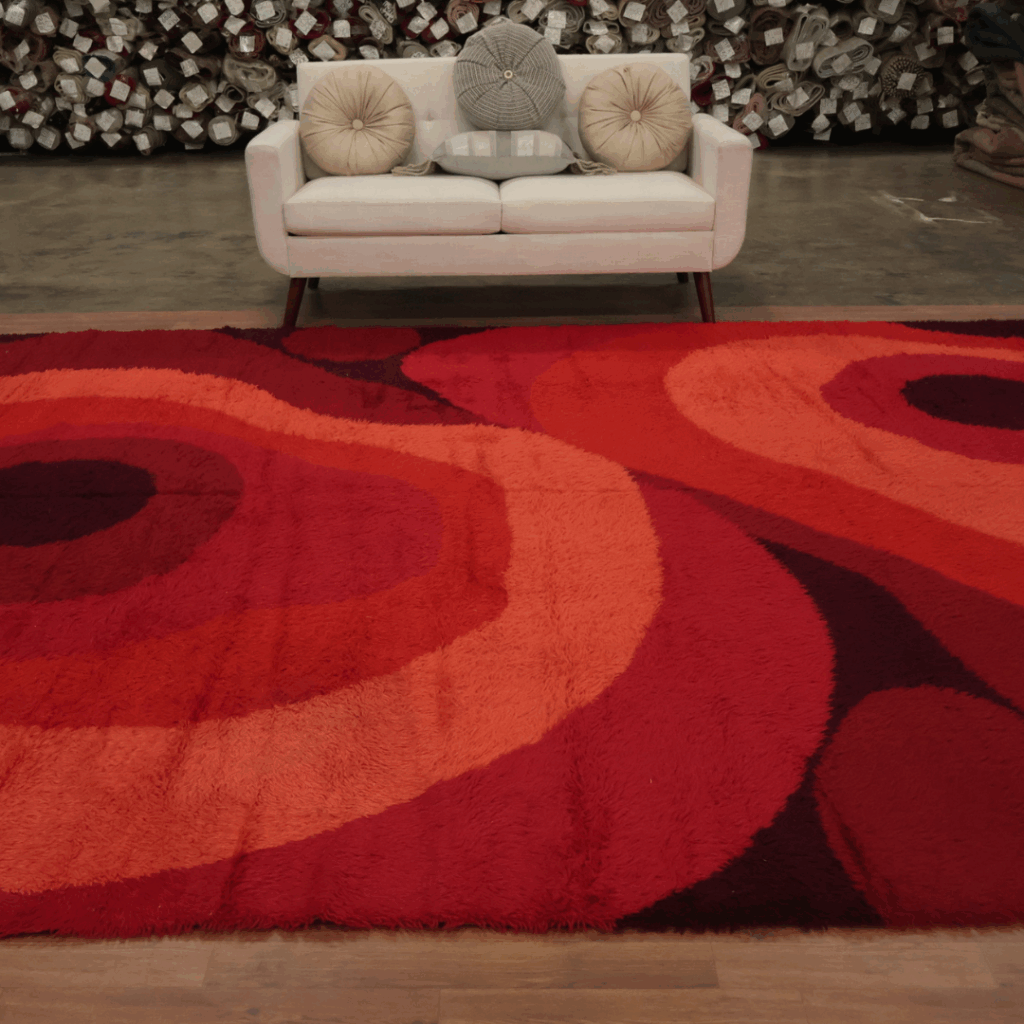
For the softest experience, I recommend hand‑knotted rugs in shag styles. Every knot is tied by hand, creating a dense, plush surface that machine‑made rugs can’t replicate. Perfect for bedrooms or reading nooks where comfort is king.
Timeless Comfort: High‑Pile Wool Rugs
Natural wool fibers are resilient and wonderfully soft. High‑pile wool rugs are excellent insulators, keeping rooms temperate year‑round. While new wool rugs shed initially a sign of quality this subsides within months of regular vacuuming.
Soft Yet Family‑Friendly: Plush Synthetics
Today’s polyester and polypropylene rugs can be surprisingly plush while offering stain resistance and approachable pricing. Choose medium to high pile and pair with a premium rug pad for best results.
Uniquely Soft: Gabbeh and Distressed Rugs
- Gabbeh rugs: Persian rugs featuring incredibly thick wool pile and simple designs, offering historical character with exceptional comfort.
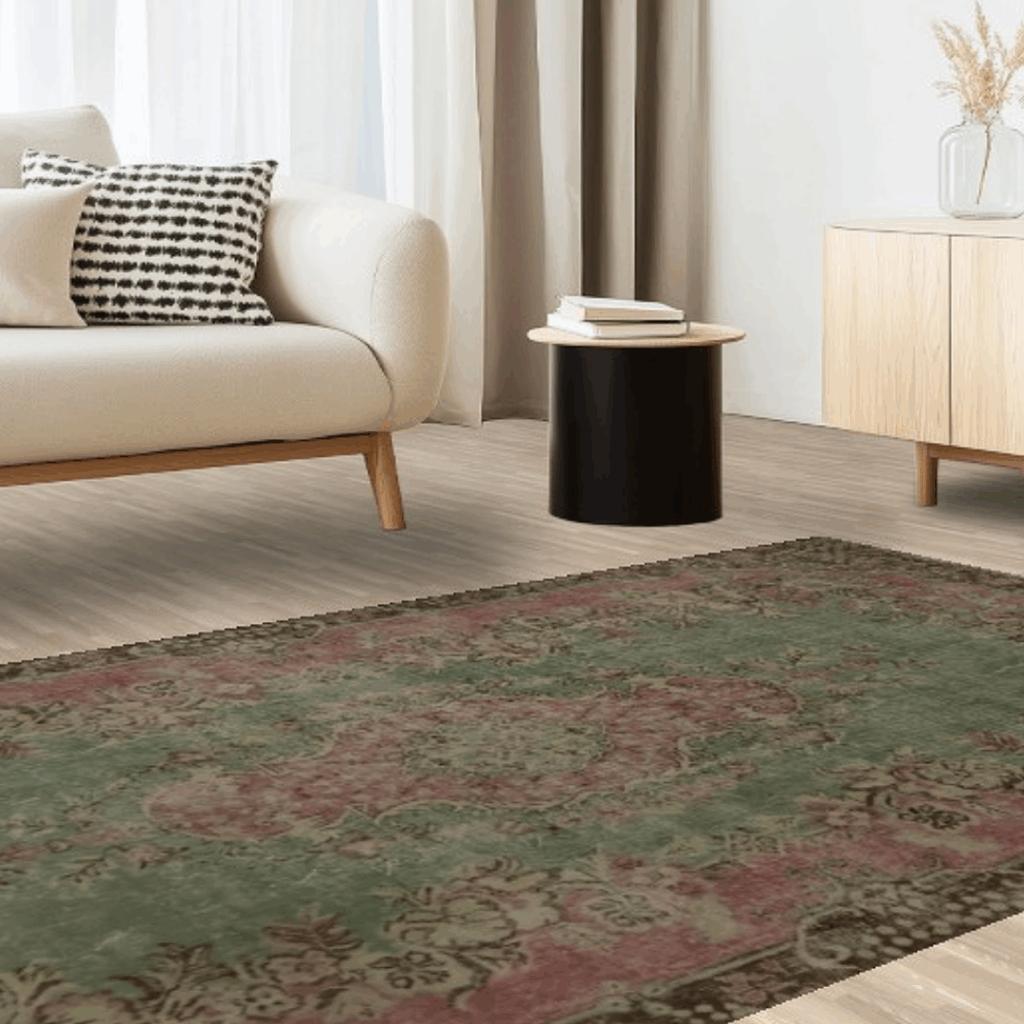
- Distressed rugs: Intentionally treated for a lived‑in look, with softened fibers that feel exceptionally soft from day one.
How to Choose the Right “Comfy” for Your Lifestyle
- Movie‑night living rooms: Dense medium‑ to high‑pile synthetic or wool with cushy pad
- Kid and pet households: Stain‑resistant synthetics or low‑shed wools
- Bedrooms: High‑pile comfort or hand‑knotted shags
- Formal spaces: Traditional hand‑knotted wool for long‑term elegance
Caring for Your Investment
A large comfy rug is a meaningful investment. With simple habits, keeping it pristine is easier than you might think.
Routine Maintenance and Vacuuming
Regular vacuuming is crucial once or twice weekly for most rugs. For high‑pile or shag rugs:
- Use your vacuum’s high‑pile setting
- Disable the beater bar, rely on suction only
- Vacuum in the pile direction for a smooth look
Rotate your rug every 3–6 months to distribute wear evenly.
Tackling Spills and Stains
- Blot, Don’t Rub: Use a clean white cloth to blot from outside in.
- Use Gentle Cleaner: For wool, use wool‑safe detergent (see The Woolmark Company’s care guide). For synthetics, diluted dish soap works.
- Test and Rinse: Test the cleaner on the hidden corner first, rinse with a damp cloth, and ensure good air circulation for drying.
For stubborn stains, call professionals or reference Good Housekeeping’s stain removal guide.
Special Situations
- Pet accidents: Blot, treat with enzyme cleaner, rinse, and dry
- Oil spills: Use isopropyl alcohol after testing
- Gum/wax: Harden with ice, chip away gently
Managing Shedding in New Wool Rugs
Shedding is normal for quality wool it’s loose fibers from manufacturing. Consistent, gentle vacuuming manages it, and shedding stops within 3–6 months.
Protecting Your Rug Long‑Term
- Use a quality rug pad for cushioning
- Trim snags with scissors never pull
- Avoid prolonged direct sunlight
- Deep clean based on traffic: hand‑knotted wool every 12–24 months professionally
Frequently Asked Questions about Large Comfy Rugs
Over our years helping families in Charlotte, NC, and beyond, we’ve heard the same thoughtful questions again and again. Here are the answers to help you make a confident decision.
What is the best material for a comfy rug?
The “best” material depends on your lifestyle and priorities.
- For pure, natural luxury, wool is the gold standard. It’s soft, resilient, a great insulator, and durable. It’s a fantastic long‑term investment.
- For families needing softness plus practicality, modern synthetics like polyester and chenille are game‑changers. They offer a luxurious feel with built‑in stain resistance and are often more budget‑friendly.
- Cotton offers a lighter, more casual comfort. It’s soft and breathable, but won’t provide the deep plushness of wool or high‑pile synthetics.
Be honest about your needs. Do you have pets or kids? How much maintenance are you willing to do? Your answers will guide you to the perfect material for your large, comfy rug.
How much should I expect to spend on a large rug?
Pricing varies widely based on material, construction, and size. A hand‑knotted wool rug will cost significantly more than a machine‑made synthetic one. As a general guideline, expect to spend in the $300–$600 range for a quality 8×10 rug that balances comfort, style, and durability.
While hand‑knotted rugs represent a larger investment due to the intensive labor involved, they are built to last for generations. Even large synthetic rugs have costs associated with production and shipping. For great value, always check our Specials and Clearance sections, which can make your dream rug more affordable.
What’s the difference between hand‑knotted, hand‑tufted, and machine‑made rugs?
This is a crucial question that directly impacts a rug’s comfort, durability, and price.
- Hand‑Knotted: This is the most traditional and labor‑intensive method. Artisans tie individual knots of fiber around the warp threads of a loom. This creates an incredibly dense and durable rug that can last for generations. The pile is secure, shedding is minimal (after an initial period), and the texture is often unparalleled. They are true works of art and the highest‑quality investment.
- Hand‑Tufted: In this method, a tufting gun is used to punch strands of fiber through a canvas backing. The loops are then sheared to create a pile, and a latex adhesive is applied to the back to hold the fibers in place, followed by a protective backing cloth. Hand‑tufted rugs can be very plush and offer complex designs at a lower price than hand‑knotted ones, but they are less durable. The adhesive can degrade over time, and it tends to shed more.
- Machine‑Made (or Power‑Loomed): These rugs are produced quickly on large, computer‑controlled looms. This method allows for precise, intricate patterns and a very consistent product at an affordable price point. While they may not have the longevity of a hand‑knotted rug, modern machine‑made rugs, especially those made from high‑quality synthetics, can be very soft, durable, and offer excellent value for a comfy, stylish rug.
Will a large rug work in a small living room?
Absolutely! This is a common myth, but a large rug often makes a small room feel bigger. A small, “floating” rug can make a space feel choppy and disjointed. A large rug, however, creates visual continuity that draws the eye across the entire room, making it feel more expansive and cohesive.
The key is proper placement. Ensure the rug is large enough for at least the front legs of your main furniture pieces to rest on it. This anchors the seating area and tricks the eye into seeing more space, not less. I’ve never had a customer regret going with a larger size.
Do I need a rug pad on carpeted floors?
Yes especially for a large rug. A rug pad on carpet prevents creeping and rippling, keeps the rug from buckling, adds cushioning underfoot, and protects the carpet beneath from wear patterns. Choose a low‑profile felt or a specialized rug‑on‑carpet pad.
What pile height is best if I have allergies?
Shorter, denser piles are easier to keep clean because they trap less dust and debris. Pair a low‑ to medium‑pile rug with regular vacuuming using a HEPA‑filter vacuum. Wool can be a good choice because its natural scales help hold dust near the surface for easier removal.
How do I flatten curls or waves on a new rug?
Reverse‑roll the curled edge and hold for 24 hours, or use rug‑safe tape at corners in conjunction with a pad. Gentle steam (not soaking) can help relax creases always test a small area and avoid high heat on wool.
Can I layer a plush rug over carpet?
Yes. Layering adds comfort and visual depth. Choose a larger low‑pile base with a smaller, plush rug on top. Secure with a rug‑on‑carpet pad to prevent shifting.
What makes Rug Source the best place to buy a large, comfy rug?
Selection, expertise, and value. Rug Source offers thousands of styles hand‑knotted, Persian, Oriental, modern, and more plus guidance honed over two decades in Charlotte, NC. We serve customers across North Carolina and the United States, with quality control, fast shipping, and curated collections so you can shop confidently from home or visit our showroom for in‑person assistance.
Conclusion
Finding the perfect large, comfy rug is about creating the heart of your home. It’s the foundation where your family gathers, where kids play, and where you enjoy quiet moments. It’s the piece that ties everything together, literally and figuratively.
We’ve explored how the right combination of size, material, pile height, and style can transform your living space. Whether you love the sink‑in luxury of a hand‑knotted shag, the timeless appeal of high‑pile wool, or the practical comfort of modern synthetics, the perfect rug is waiting for you.
A properly sized rug with a quality pad doesn’t just cover the floor it makes your room feel larger, quieter, and infinitely more welcoming. At Rug Source, we’ve spent over two decades helping families in Charlotte, NC, throughout North Carolina, and across the United States find that perfect piece. We understand that the right rug isn’t just about what looks good it’s about what makes your house feel like home.
Ready to move beyond basic? Explore our complete collection of large rugs today, find exclusive selections across sizes and styles, and transform your space into the cozy haven you’ve always dreamed of.