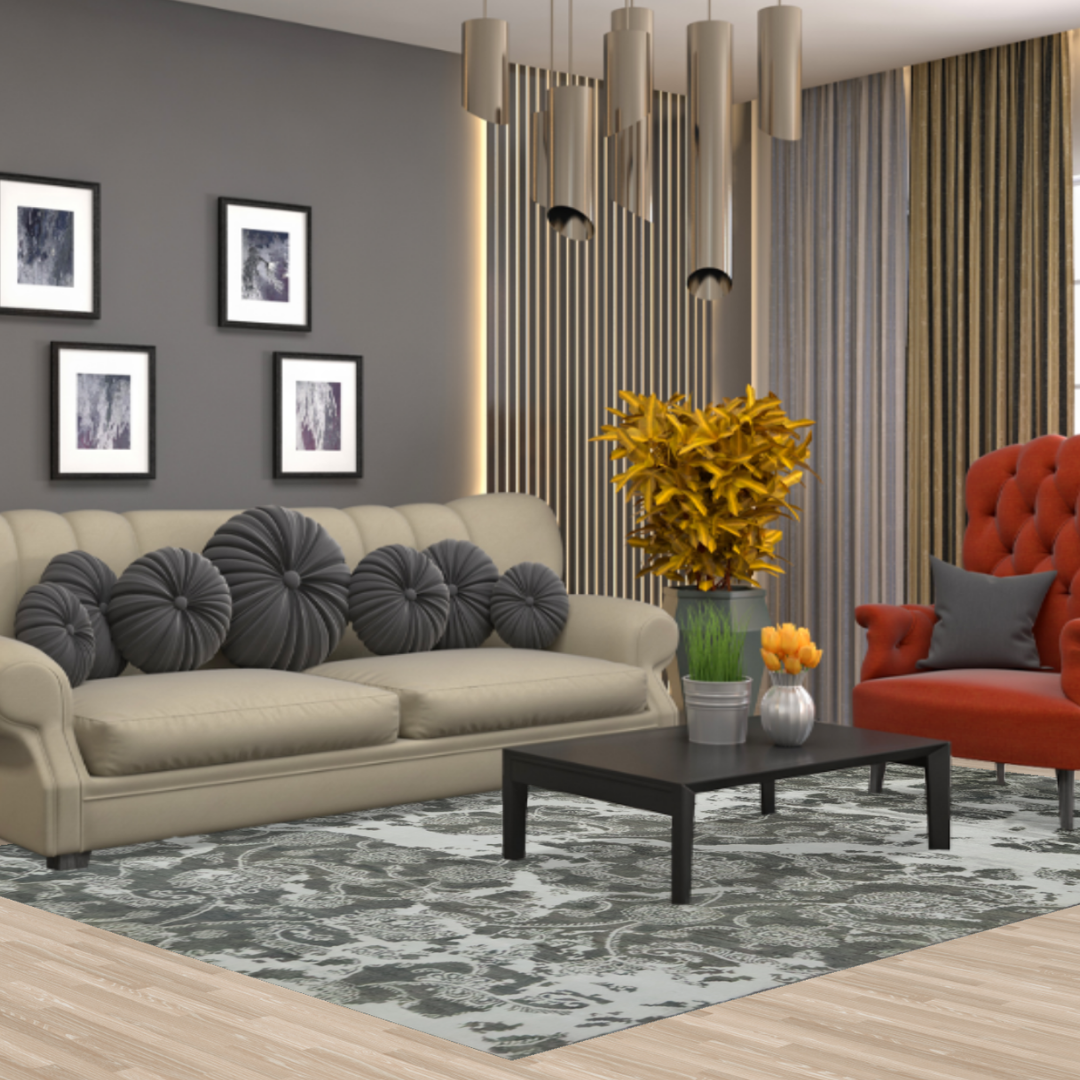
Why Distressed Rugs Are Perfect for Modern Homes

A distressed rug is a new rug that’s artfully finished to look timeworn, with muted colors, softened motifs, and a lived-in patina. You get old-world character with modern performance: easy styling, forgiving patterns that hide life’s messes, and materials built for busy homes.
From farmhouse kitchens to minimalist condos, distressed pieces bring warmth and visual interest without feeling fussy. At Rug Source Charlotte, we see them used to soften sleek architecture, define open-plan zones, and add texture that pulls a room together.
I’m Mina Daryoushfar, owner of Rug Source since 2002. Below is the practical guide we share in our showroom on how distressed rugs are made, which materials to choose, how to style and care for them, and what to look for when you shop.
What Is a Distressed Rug? The Art of Aged Perfection
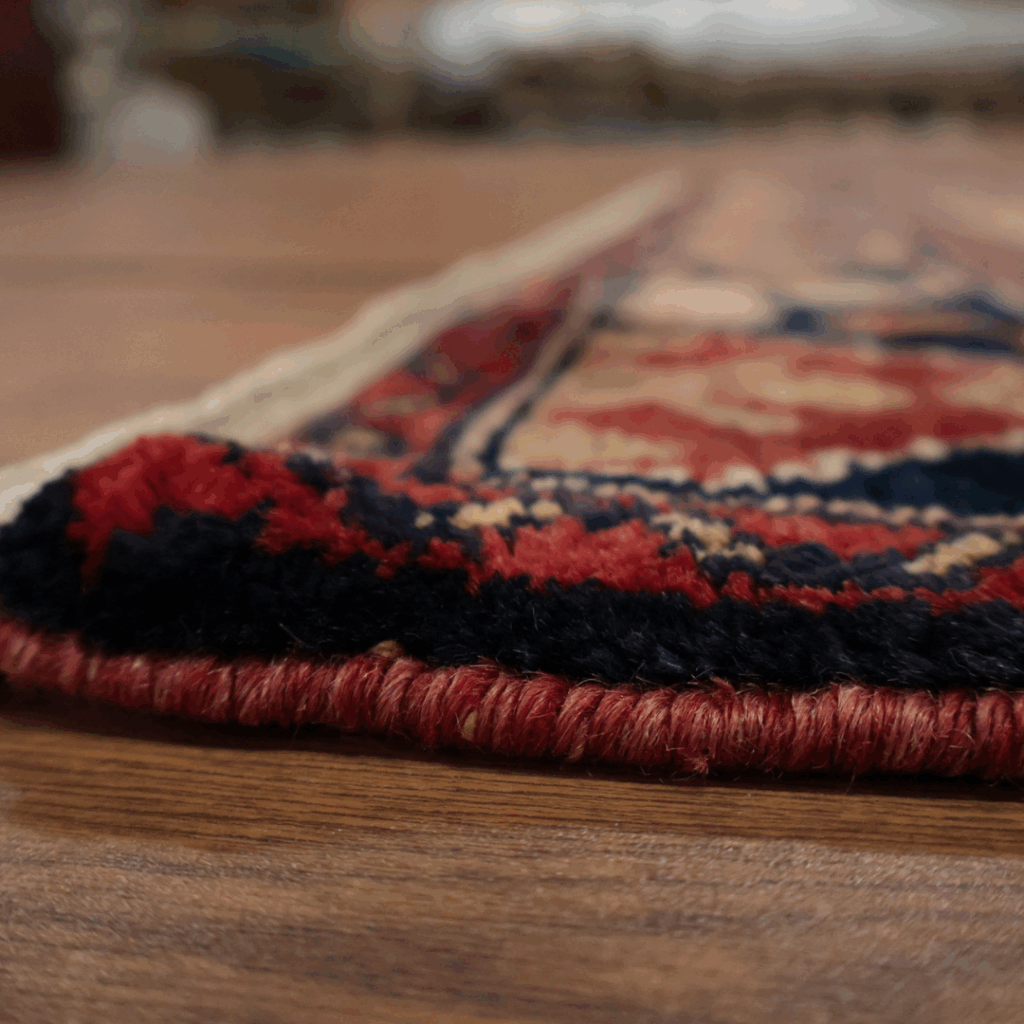
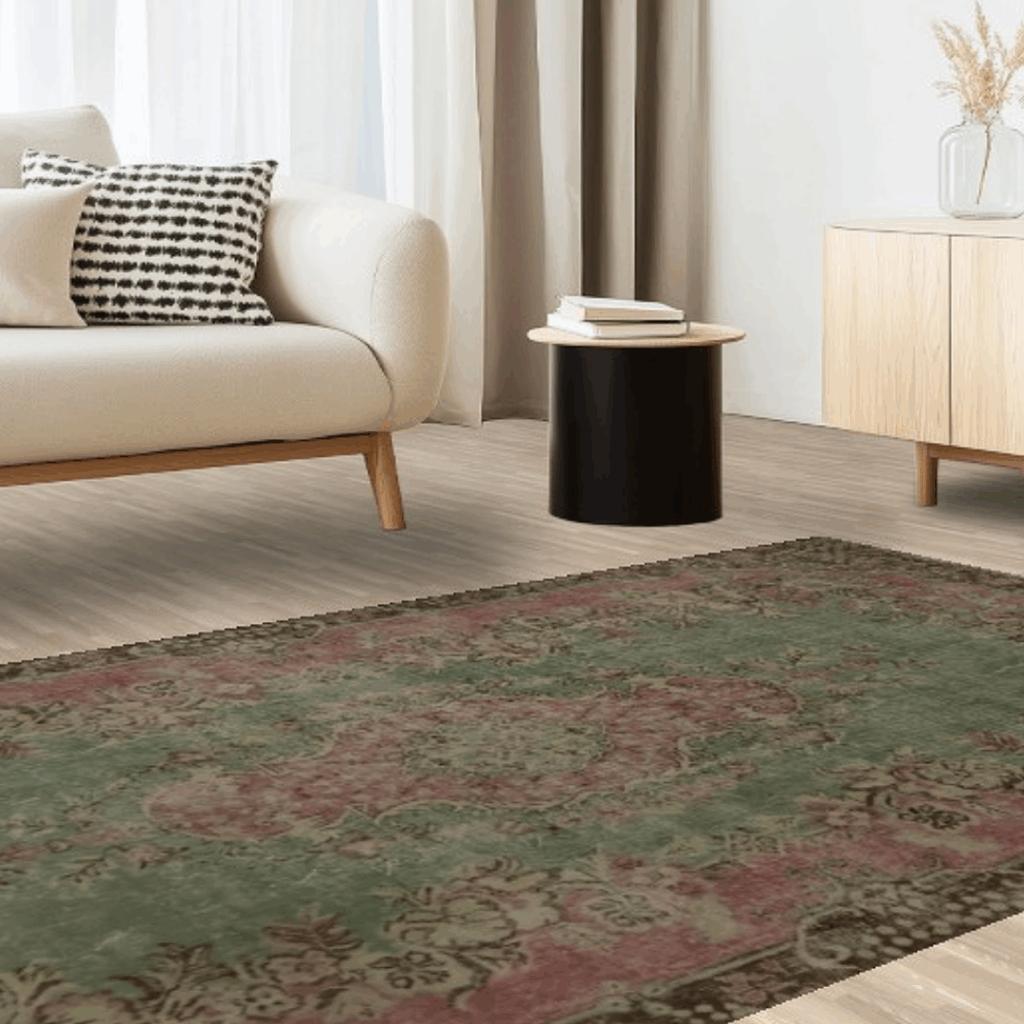
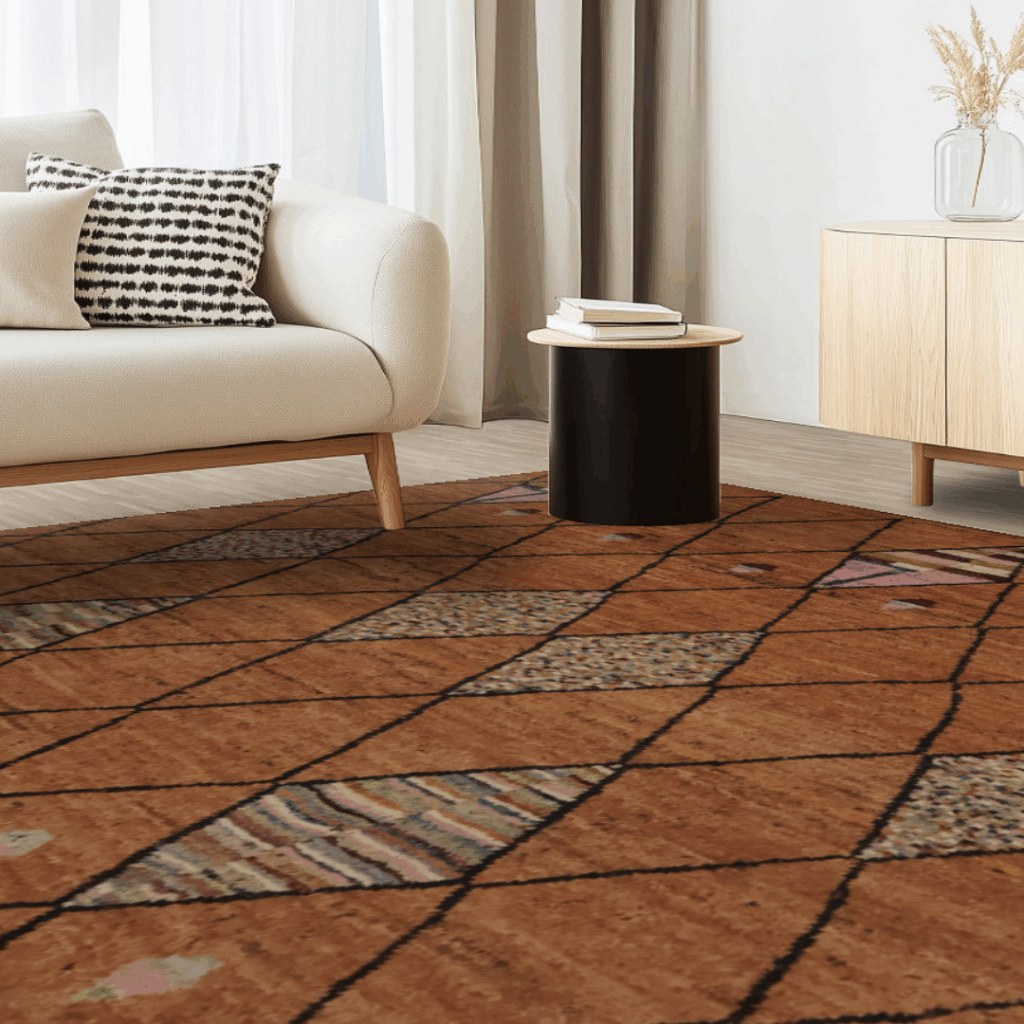
Picture a beautifully weathered heirloom made last year. That’s the appeal of a distressed rug. Makers use techniques like selective shearing, tea/stone washing, abrash simulation, and over-dyeing to mellow colors and soften patterns, creating an instantly relaxed, well-traveled look.
Distressed vs. Antique (and Vintage)
- Antique rugs are 100+ years old, with authentic age, higher prices, and more care needs.
- Distressed rugs are new, finished to look aged, with a vintage vibe, budget-friendly, and everyday durable.
- Vintage Distressed Rugs start life decades ago, then get a modern dye/wash to sharpen their patina.
Want the design backstory that inspires many distressed looks? See Persian carpet motifs and dye traditions.
Common Distressing Techniques (Plain English)
- Shearing/pile cutting: Lowers the pile and reveals “timeworn” highs/lows.
- Tea/stone/chemical wash: Softens bright dyes into calm, dusty tones.
- Over-dyeing: A monochrome bath tints the rug while the original design ghosts through.
- Abrash effects: Intentional tone shifts that mimic hand-dyed, vintage wool.
Choosing your level of distress:
- Light distress = subtle fading and softened outlines (great for minimalist or classic rooms).
- Heavy distress = bolder character, fragmented motifs (perfect for boho, eclectic, or industrial).
Styles & Materials: Build Your Perfect Distressed Look
Designs That Shine When Distressed
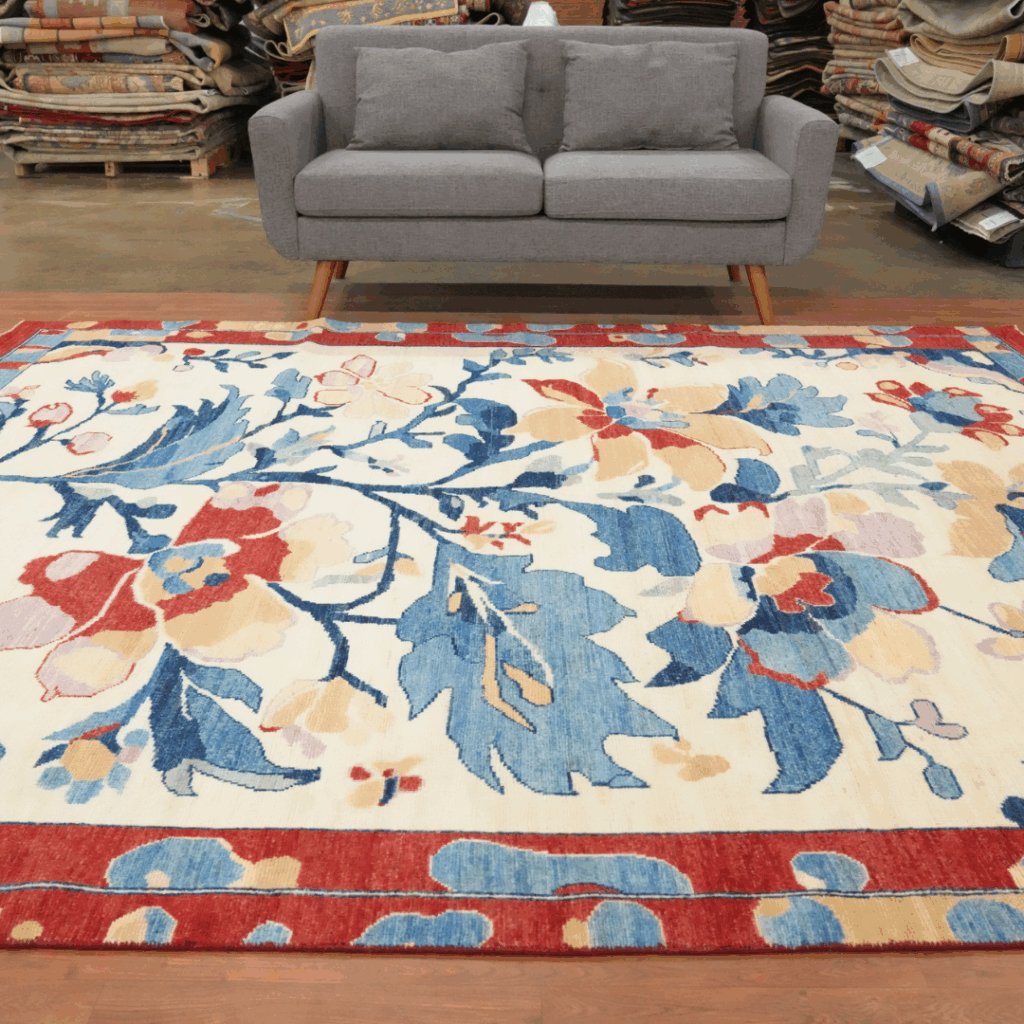
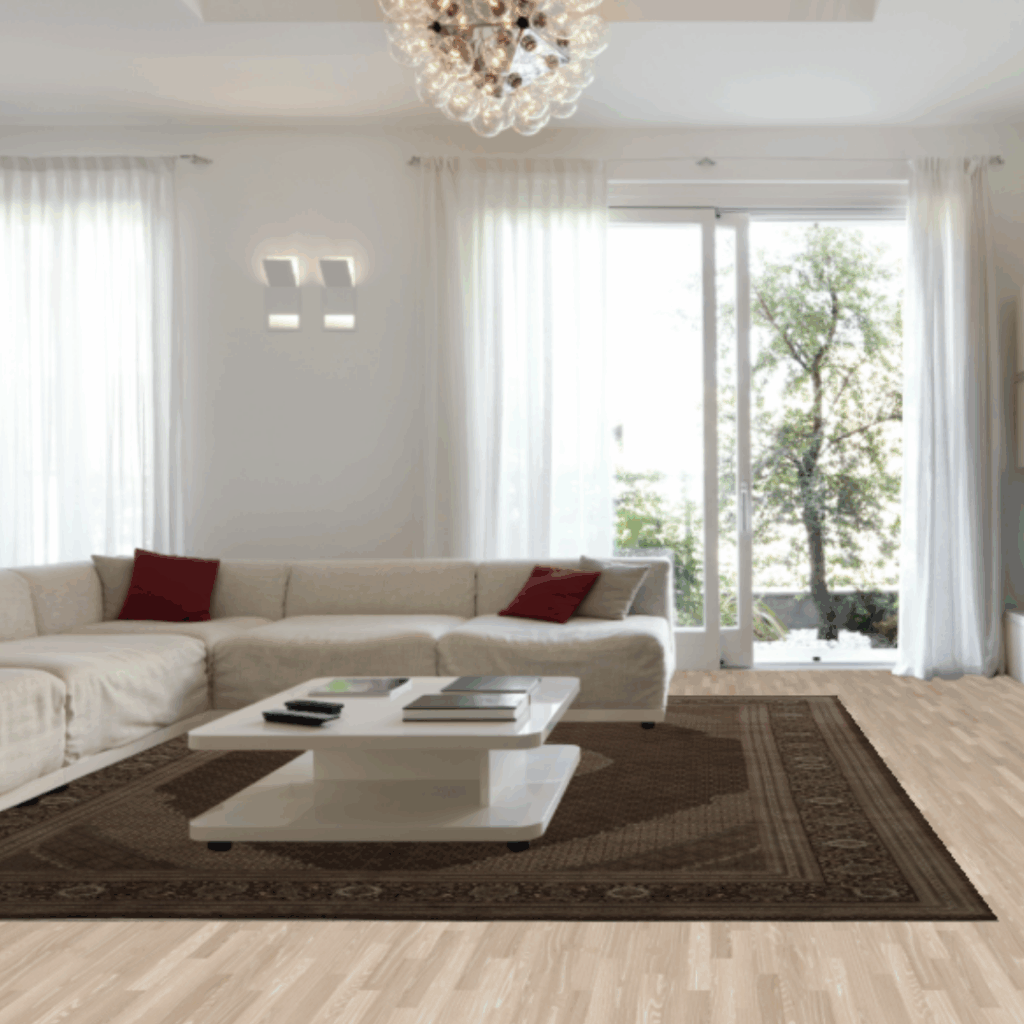
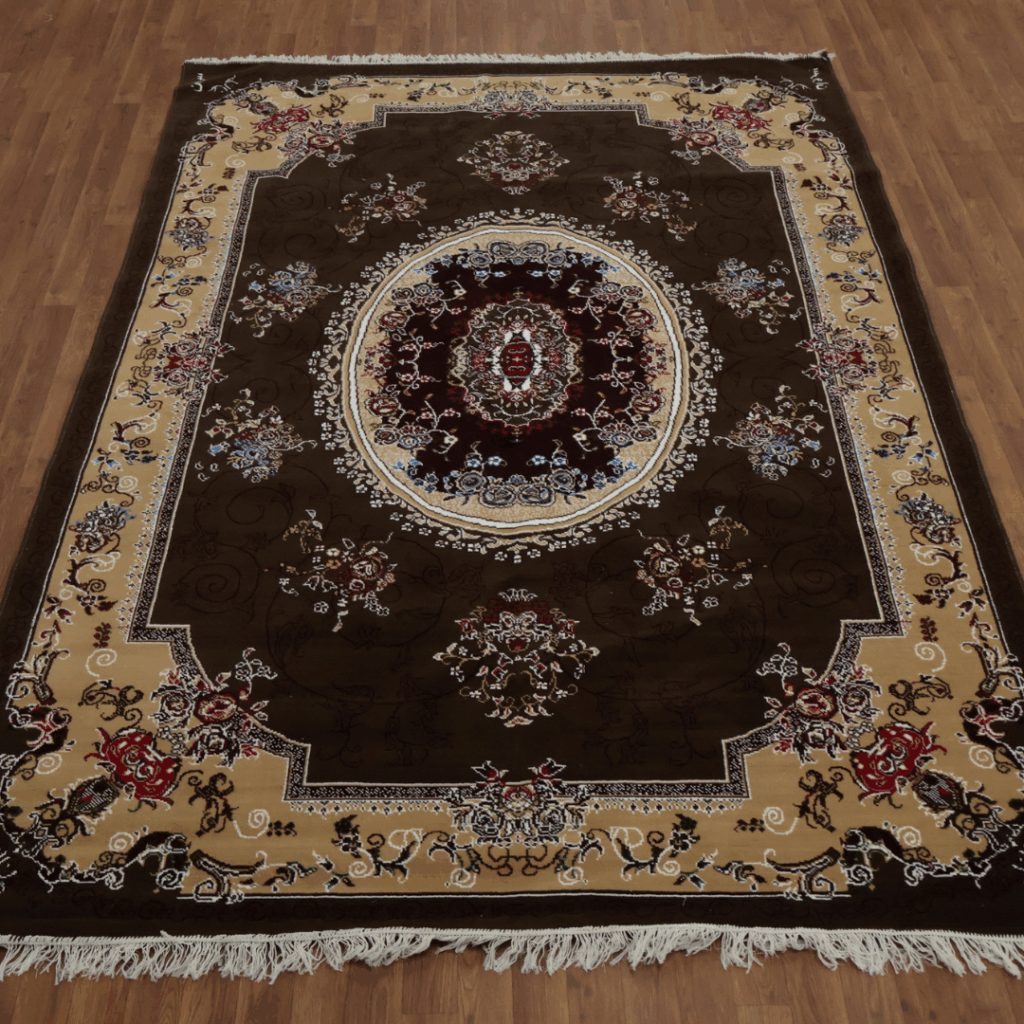
- Traditional/Oriental: Medallions, borders, and florals relax into approachable neutrals. Browse Traditional Rugs and Oriental Rugs.
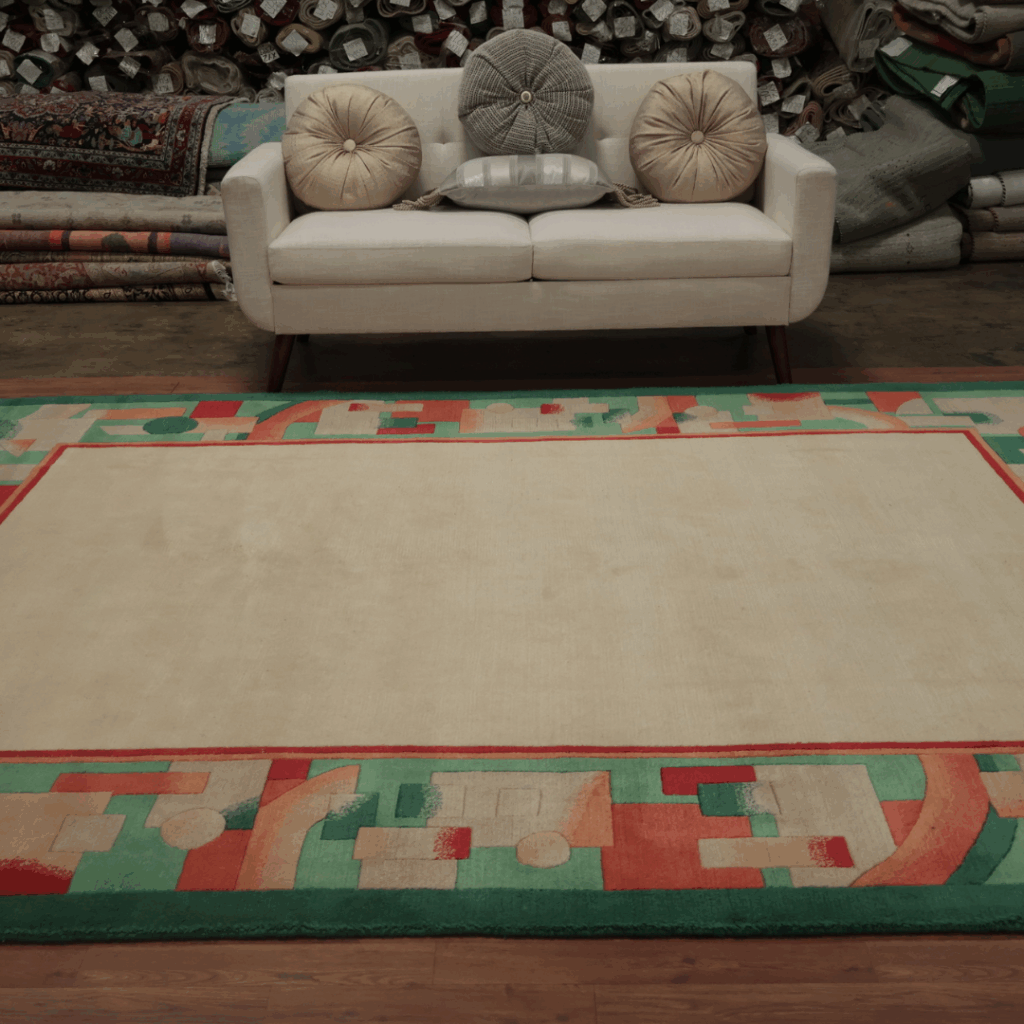
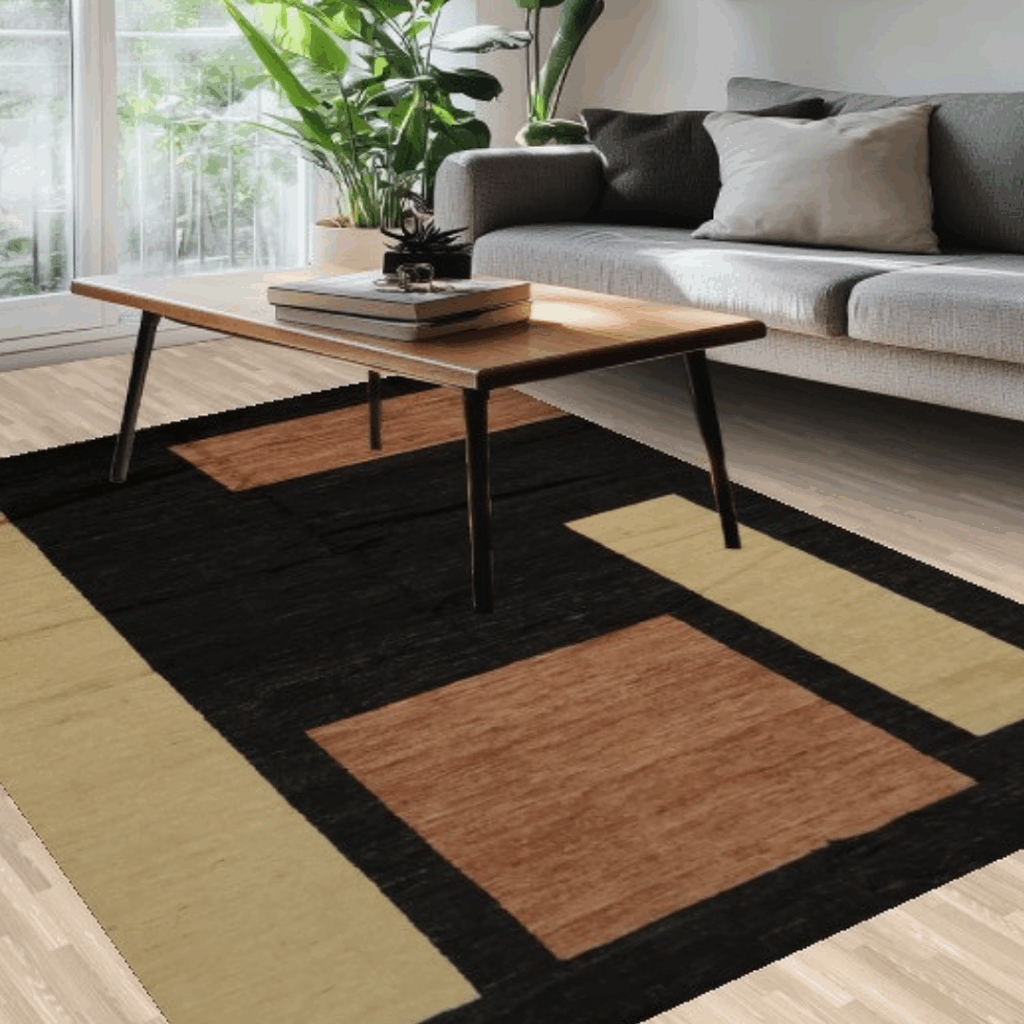
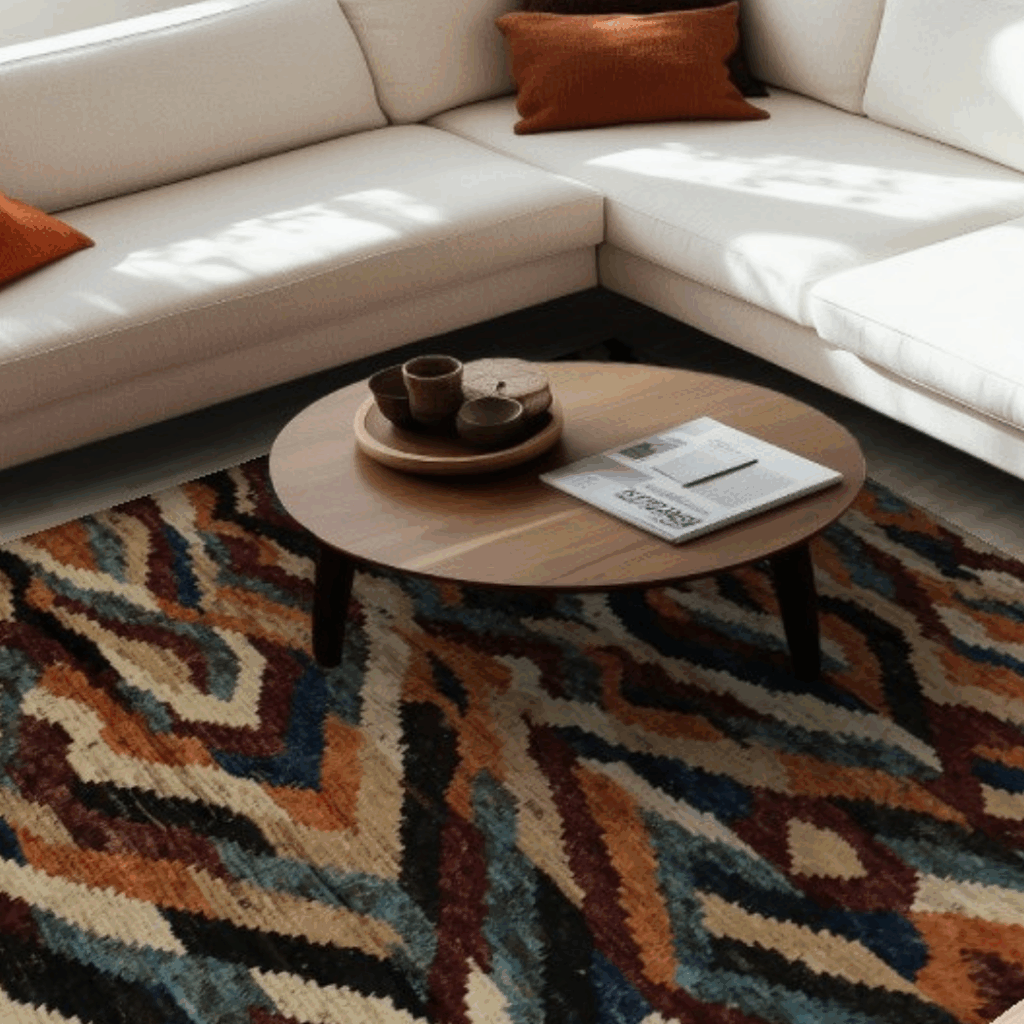
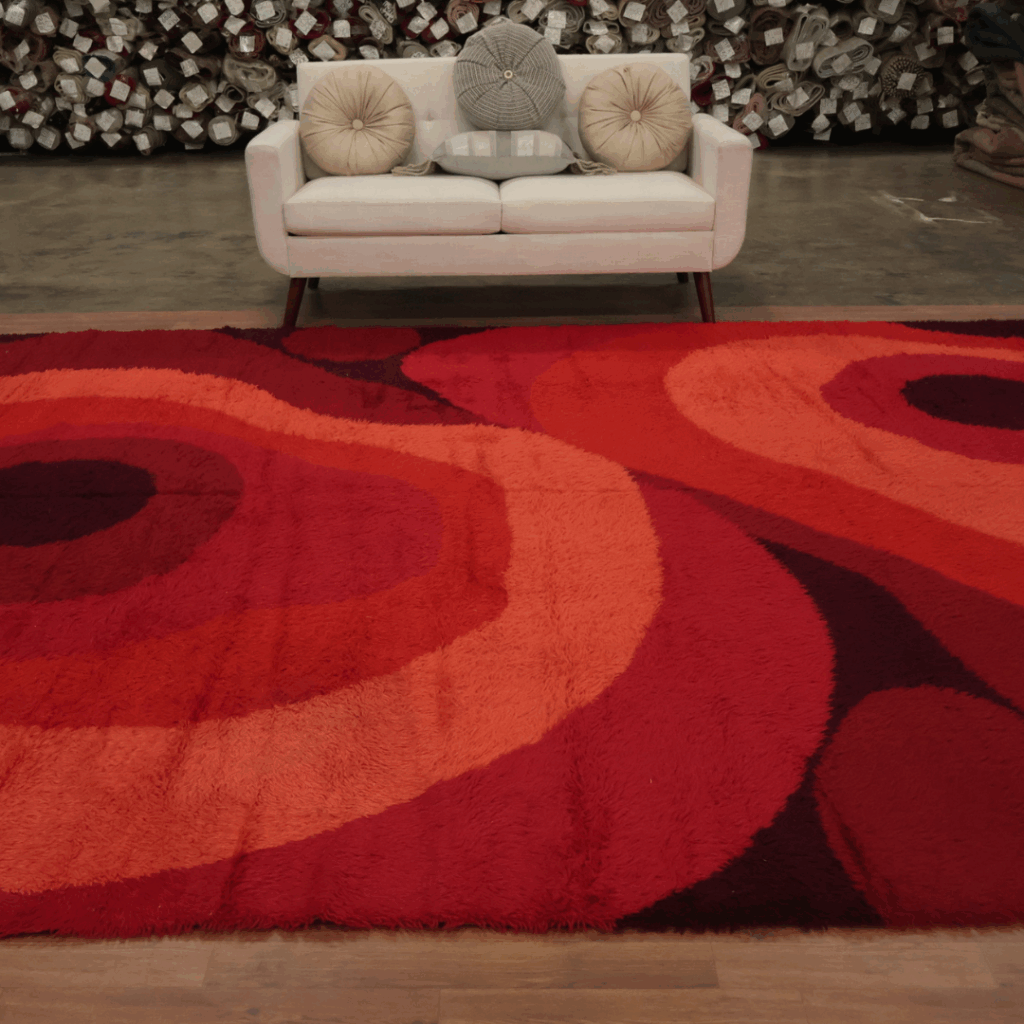
- Modern/Abstract: Distressing adds depth and softness to bold shapes, see Modern Rugs.
- Overdyed: Statement color with layered pattern shop Overdyed Rugs.
Material Quick-Guide (Feel vs. Care vs. Budget)
- Wool (natural): Premium, resilient, naturally soil-resistant, ages beautifully.
- Cotton/Jute (natural): Casual and textural (best for dry, lower-traffic zones).
- Polypropylene (synthetic): Family-proof stain, fade, and moisture resistant.
- Polyester (synthetic): Soft hand and saturated color.
- Viscose (semi-synthetic): Silk-like sheen; treat as delicate, avoid moisture.
Curious about fibers? The industry trade group has solid primers: Carpet & Rug Institute – Carpet Fibers (overview).
Construction matters too: Hand-knotted rugs bring heirloom texture and unique wear; power-loomed options deliver the look for less with reliable durability.
Why Homeowners Love Distressed Rugs
- Instant character: Aged visuals make new spaces feel collected and welcoming.
- Practical magic: Multitone patterns hide crumbs, paw prints, and everyday life.
- Style chameleon: Works with modern, farmhouse, boho, traditional, even all at once.
- Accessible luxury: Vintage vibe without antique pricing.
How to Style a Distressed Rug (Room-by-Room)
Modern & Minimal
Choose light distress in sand, fog, or muted blue. Keep a tight palette; go low/medium pile so the rug reads as a calm plane. Seat front legs on the rug to anchor the group. (Nice primer on mixing eras: Architectural Digest’s take on blending modern and vintage.)
Bohemian & Eclectic
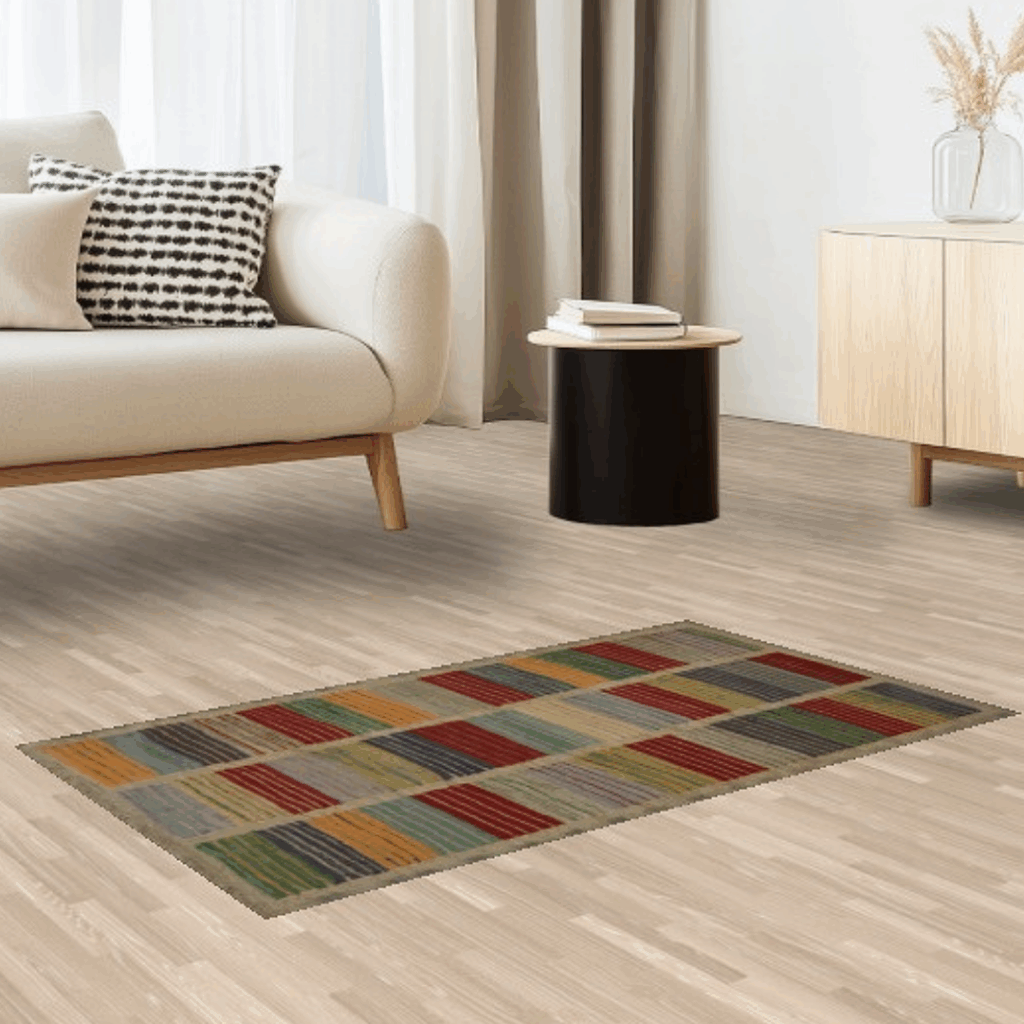
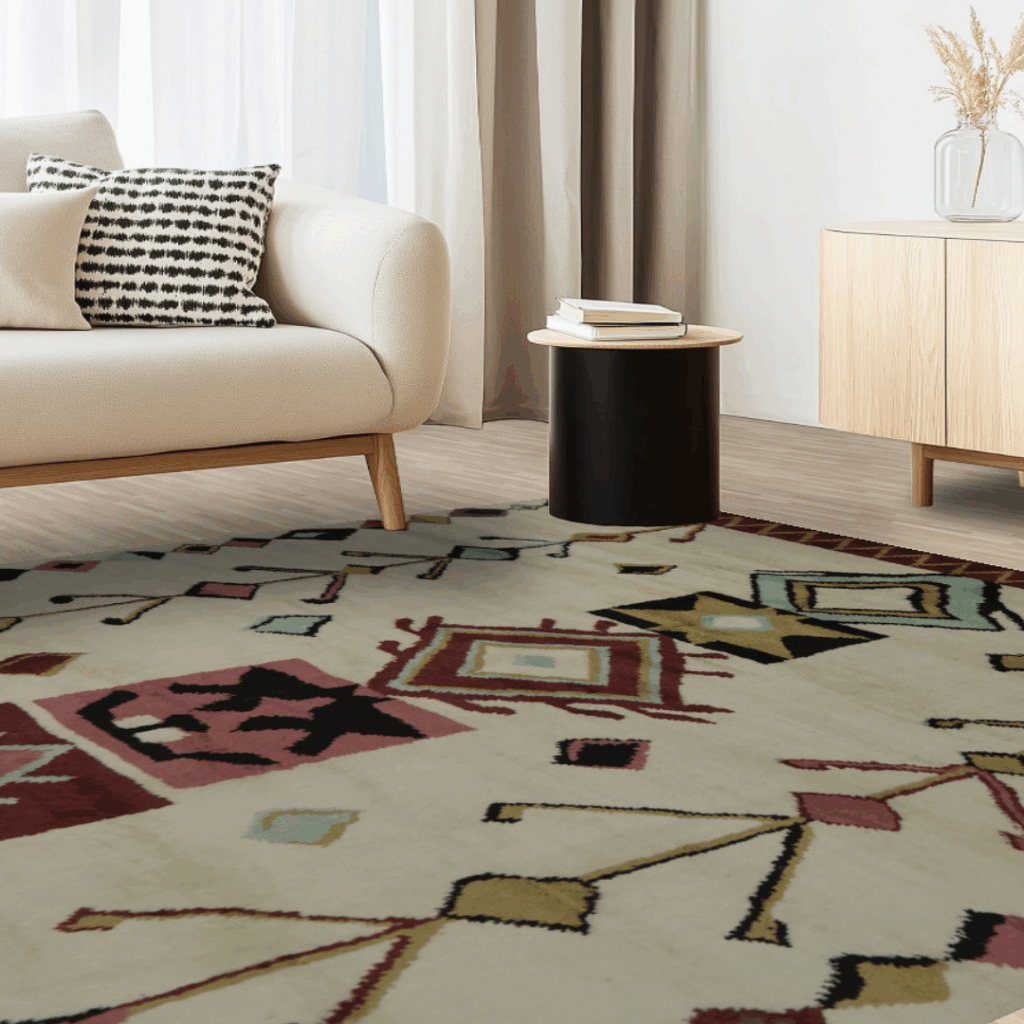
Lean into character. Layer a flatweave kilim over a larger distressed base, echoing one or two rug hues in pillows/throws so the mix feels intentional.
Farmhouse & Rustic
Soft neutrals, worn borders, and easy-care piles fit right in with wood tones and lived-in finishes.
Traditional & Transitional
Use a lightly distressed navy-ivory to bridge dark wood furniture with light walls. In open plans, choose complementary distressed pieces for the living/dining to define zones gracefully.
Care Tips: Keep the Patina, Not the Dirt
Weekly rhythm
- Vacuum with suction only (or the beater bar raised) to protect low/high pile variations.
- Rotate every 6–12 months for even wear and sunlight exposure.
- Use a quality pad (felt + natural rubber) to add cushion, stop slips, and reduce fiber stress.
Spill playbook
- Blot (don’t rub) from the outside in with a white cloth.
- Spot treat with a tiny drop of mild dish soap on a damp cloth; then blot with clean water; finish dry.
- Oil-based? Dust with cornstarch, let sit, vacuum, then treat gently.
- Pets? Use an enzyme cleaner made for textiles; avoid steam.
Material specifics
- Wool: Mild solutions; pro clean every 1–2 years for larger pieces.
- Polypropylene: Tough and easy to clean every 2–3 years or as needed.
- Viscose: Water-sensitive blot dry only; call a professional for stains.
Buyer’s Guide: How to Choose a Good Distressed Rug

- Pick materials to match real life: Wool or polypropylene for high traffic; polyester blends for cozy bedrooms; reserve viscose for low-use rooms.
- Prefer woven/washed distress over printed patterns; the look lasts longer.
- Check density: The surface should feel substantial; bending it shouldn’t reveal a sparse foundation.
- Mind pile height: Low pile for dining/entry; plush for lounges and bedrooms.
- Size it right: In living rooms, aim for at least front legs on the rug. In dining rooms, add 24–30″ beyond the table on every side so chairs stay on the rug. Browse common Area Rug sizes and pick what fits your room.
A straightforward buying refresher: Good Housekeeping – How to Buy a Rug (useful, non-commercial overview).
Pro shopping questions
- What’s the primary fiber and care profile?
- Is the distress woven/washed in, or printed?
- What’s the pile height and backing?
- What’s the return window/policy?
Budgeting tip: Put more budget where you live most (family room, dining); choose machine-made for trend pieces; select hand-knotted wool with light distress for long-term value.
FAQs About Distressed Rugs
Are distressed rugs a fad?
No. Their neutrality + character combo makes them perennially useful across styles.
Do they hide dirt?
Extremely well. Layered tones and softened motifs are forgiving between cleanings.
Good for high-traffic spaces?
Yes, choose a low pile in wool or polypropylene.
Will they shed?
New wool may shed lightly at first (vacuum with suction only). Polypropylene/polyester sheds minimally.
Allergy-friendly?
Low pile + consistent HEPA vacuuming works well. Avoid ultra-shaggy textures.
Can I layer over carpet?
Yes, add a rug-over-carpet pad to prevent ripples.
Bring Home the Timeless, Low-Stress Look
A distressed rug delivers heirloom charm without heirloom fragility. It adds warmth, hides life’s little messes, and plays beautifully with nearly any decor. Whether you want a subtle wash of patina or a bold, overdyed statement, there’s a distressed piece that fits your room and your routine.
Explore Rug Source’s curated Distressed Rugs, or visit our Charlotte showroom for hands-on help with size, color, and feel. We’ll help you find a rug that looks collected, lives easily, and stays beautiful for years.