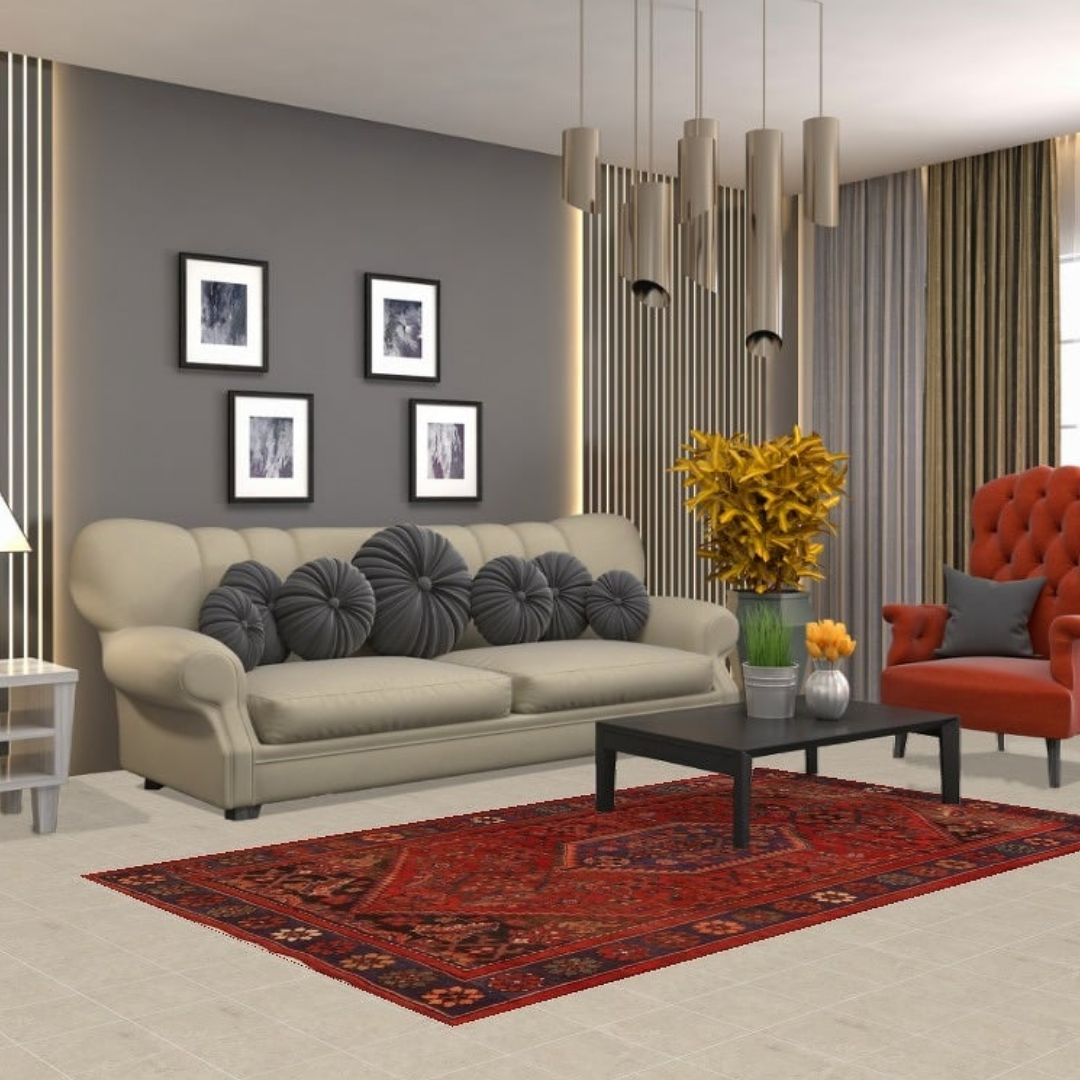
Understanding the Investment Behind Every Persian Rug
The cost of Persian rugs can vary widely from attainable, everyday heirlooms to museum-worthy masterpieces. Two rugs of the same size can be priced very differently because price reflects a combination of materials, knot density, place of origin, design complexity, age, and condition. When you understand these factors, you can compare apples to apples and invest with confidence.
At Rug Source, we’ve spent decades helping customers make sense of these variables with side-by-side comparisons, plain-language explanations, and transparent listings. If you’re shopping in Charlotte, NC (or anywhere nationwide), consider this your roadmap to what you’re paying for and why it matters.
The Anatomy of a Price Tag: What Really Drives Cost
1) Material Matters
Fiber choice sets the baseline for both performance and price.
- Wool (most common for Persian rugs): Quality wool has spring, resilience, and natural lanolin that helps resist soiling. Many fine city rugs use wool pile on a cotton foundation (warp and weft) for stability and higher knot counts. In busy homes, a dense wool pile often delivers the best long-term value.
- Silk: Finer filaments allow micro-detail and a luminous sheen. Because of the labor and fineness involved, silk (especially silk-on-silk) carries a premium and is best placed in low-traffic rooms or used as wall art.
- Cotton: Commonly used for foundations in city weaves, enabling higher densities and crisp, flat lies.
- Wool–silk blends: Silk highlights outline motifs for sparkle and refinement without the cost of a full-silk field.
Dyes influence value, too. Traditional natural dyes derived from madder, indigo, weld, walnut, and other sources create nuanced palettes that age gracefully.
2) The Weaver’s Touch: Knot Density (KPSI) & Craft
Knots Per Square Inch (KPSI) is one of the clearest indicators of labor and detail. Turn a rug over, count knots across one inch in both directions, and multiply. Rough guideposts:
- Low density (under ~120 KPSI): Typically village/tribal character; bold geometry; approachable prices.
- Medium (120–200 KPSI): Great day-to-day value, balanced detail, durability, and cost.
- High (200–600 KPSI): Refined, curvilinear city workshop rugs; significant time and expertise.
- Masterpiece (600+ KPSI): Often silk foundations/piles; extraordinary detail and rarity.
Knot type varies by tradition. The asymmetrical Persian (Senneh) knot enables fluid curves; the symmetrical (Ghiordes) knot yields a different, equally valid structure. What you’re paying for is the clarity of the design at its density, the evenness of the pile, and precision across the field and borders.
3) Origin & Workshop Prestige
Certain cities and regions are historically renowned, and market demand reflects that heritage.
- Tabriz: Versatile medallions, pictorials, and florals; a wide quality spectrum.
- Kashan: Elegant central medallions and balanced borders in classic palettes.
- Isfahan: Highly refined city weave; often, wool with silk details.
- Heriz: Tribal-geometric strength and durability are excellent for active homes.
- Qom: Frequently full silk with astonishing detail, top end of the market.
4) Design, Pattern & Color
- Complexity: Dense curvilinear arabesques, crisp medallions, and pictorials require time and skill, and the cost follows.
- Rarity: Certain palettes or patterns are no longer produced, and a finite supply can drive value.
- Dyes & patina: Natural dyes often mature with depth; uneven or harsh fading, or unstable synthetic dyes, can change value.
Age & Condition: How Time Shapes Price
Age Categories
- New (0–5 years): Crisp dyes and fresh pile; best entry point for day-to-day use.
- Vintage/semi-antique (~60–70 years): Often, the sweet spot mellowed colors, characterful patina, and strong value.
- Antique (100+ years): Scarcity, period craftsmanship, and natural dyes place these at the top.
Age helps only when the condition and quality are compelling.
Condition Checklist (What We Inspect at Rug Source)
- Foundation: Any breaks, dry rot, or stiffness?
- Pile: Even height? Localized bald spots reduce value.
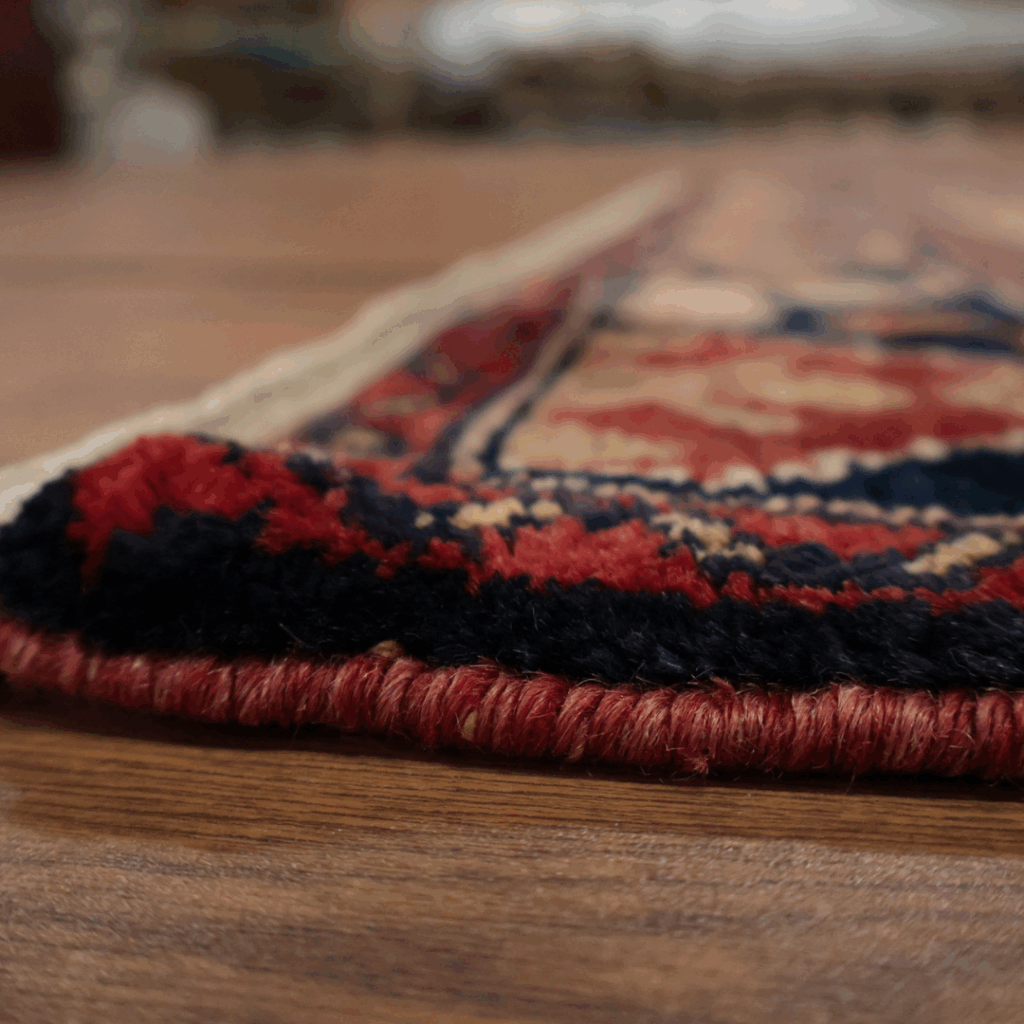
- Edges & ends: Strong selvedges and secured fringes preserve structure.
- Color stability: Look for bleeding or harsh, uneven fading.
- Moth activity: Check for small holes or fiber dust.
- Repairs: Professional, material-correct reweaving maintains value; amateur patches do not.
Budgeting Beyond the Tag: Total Cost of Ownership
Savvy buyers consider the full picture:
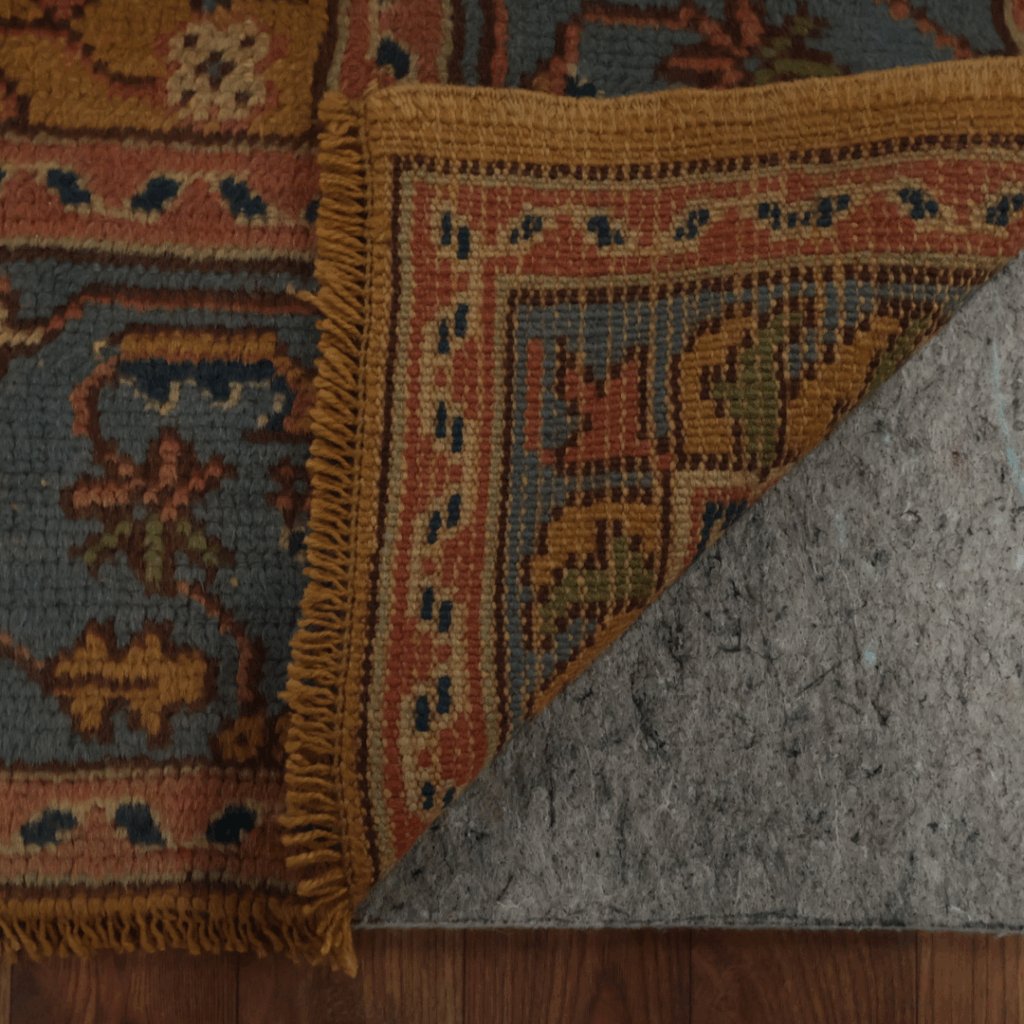
- Rug pad: Essential for grip, comfort, and longevity.
- Cleaning cadence: Professional wash every 12–24 months (more often in dining/entry areas).
- Preventive care: Periodic edge/end securing is cheaper than a major restoration later.
- Placement plan: Choose fiber and pile with traffic, pets, and sunlight in mind.
- Documentation: Keep receipts, photos, and any appraisals with your records.
Authenticity Basics: How to Vet a Persian Rug
- Back of the rug: Hand-knotted backs mirror the front with charming irregularities; machine-made backs appear perfectly uniform or show mesh/latex layers.
- Fringe: In hand-knotted rugs, fringe is structural (warp threads), not sewn on.
- Edges (selvedges): Hand-finished edges align with the weave.
- Irregularities: Minor asymmetry is a hallmark of handwork.
- Avoid destructive tests: No burn/chemical tests, reputable dealers rely on non-destructive cues and stand behind authenticity.
Where Design Meets Daily Life: Practical Placement Tips
- Living rooms: Medium or tighter piles excel; choose patterns that hide day-to-day activity while complementing upholstery.
- Dining rooms: Favor low/medium pile and tighter weaves so chairs glide; patterned fields are more forgiving.
- Bedrooms: Softer palettes and textures welcome; if you love luster, consider silk highlights in low-traffic suites.
- Entries & halls: Sturdy village/tribal weaves (e.g., Heriz family) thrive in traffic. Runners are a great way to start a collection.
Are Persian Rugs a Good Investment?
They can be especially when quality, condition, and rarity align. Unlike mass-produced decor, a well-chosen hand-knotted rug is functional art: it serves your home now and may retain or grow in value over decades. If you’re thinking in generational terms, keep detailed records and maintain the rug with professional care.
Frequently Asked Questions About the Cost of Persian Rugs
Why are some small Persian rugs more expensive than larger ones?
Price isn’t only about square footage. A small, extremely fine silk rug with high KPSI and a rare design from a noted workshop can surpass a larger, simpler wool rug in time, materials, and market demand.
How much should I expect to pay for a good-quality Persian rug?
There’s a broad spectrum. For a well-made, new, hand-knotted wool rug around 5’×8′, many buyers plan in the low-to-mid four figures, with finer pieces (silk or very high KPSI) trending higher. Antique rugs sit in a different tier, where rarity and condition strongly influence price.
How can I be sure I’m not overpaying?
Compare rugs with similar specifications in material, KPSI, origin, age, and condition. Ask for clear disclosures and inspect the back, fringe, and edges. Work with reputable dealers who stand behind authenticity and provide return policies.
Heritage, Craft, and Confidence: Why Shop Rug Source
Persian rug weaving is a living art recognized globally and sustained by skilled artisans. Since 2002, Rug Source has connected customers with authentic, hand-knotted rugs backed by expertise, careful curation, and clear information. Whether you’re furnishing a family room or building a collection, we’ll help you decode materials, density, origin, and condition so the price makes sense and the piece fits your life.
Ready to find the right rug at the right value?
Explore our curated collections.